Skip to content
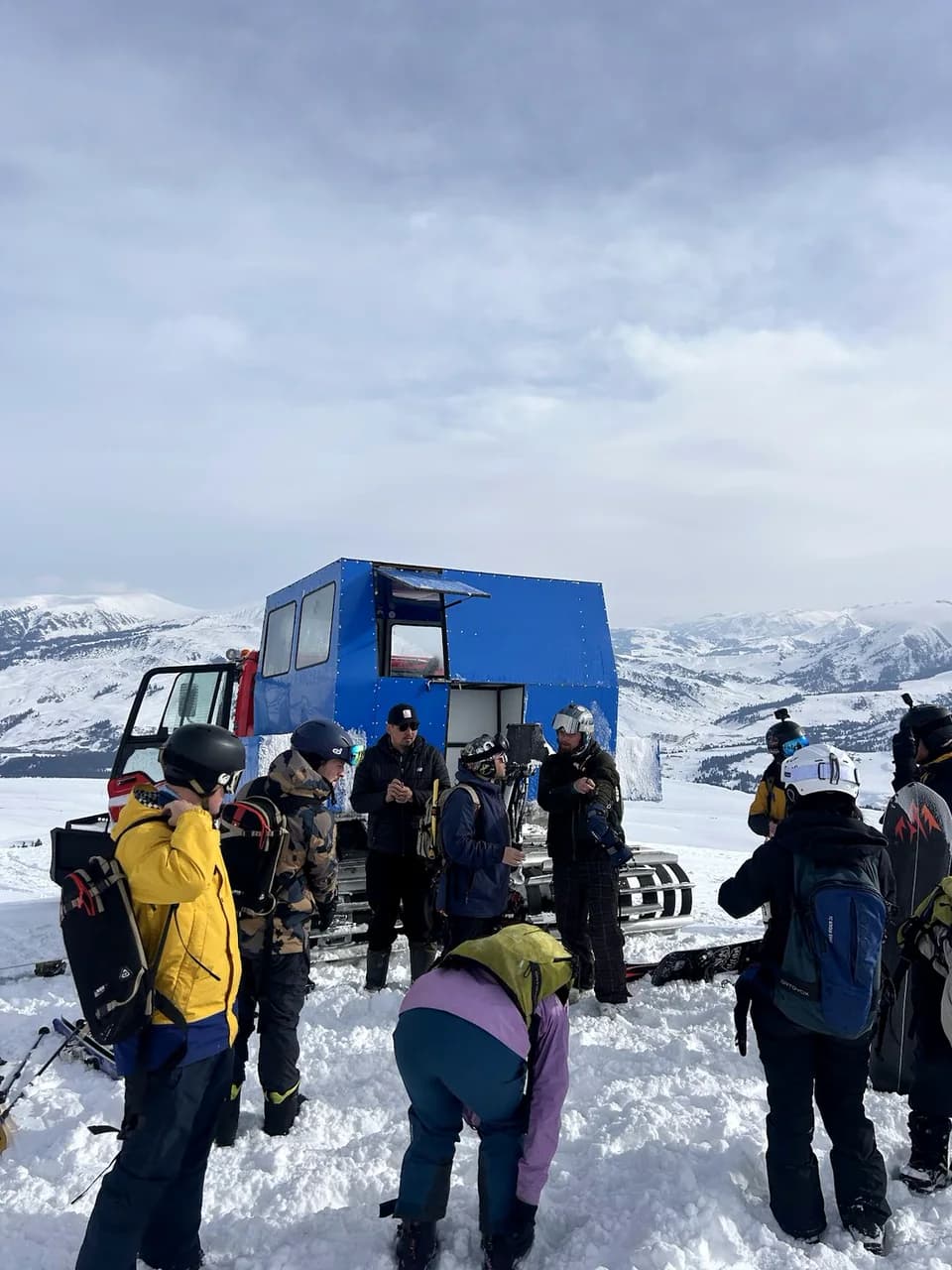
A group preparing skis beside a snowcat in the snow.

How we handle risk

Risk is not hidden or removed. Our role is to give you the facts, help you judge the fit, keep the decision yours and set out the arrangements confirmed for your departure in writing.

The detail changes with the trip

A winter crossing, a jungle expedition, a self-drive route and a Delta paddle do not carry the same risks or need the same arrangements. These examples are published, current detail — not a universal checklist.

What a system can look like

Winter crossings
Current winter-crossing detail includes pre-trip skills, avalanche-response equipment, shelter and first aid, and satellite communications.
Guyana
The current plan includes a briefing and equipment checks, radios, satellite communications, ropes, first aid, guide-led decisions each day, a medical declaration and remote-expedition insurance.
Pakistan
The published route includes a mandatory driving induction and practice, route mechanics and support-team provision, and medical backup.
Okavango
Professional guides accompany the game walks; first aid and satellite communications are carried, and equipment travels by motorboat or mokoro depending on water levels.
Sierra Leone
Company-wide practice includes low-traffic routing, low speed, no night riding, helmet and closed-shoe requirements, orientation and first aid. The exact support vehicle, medic, mechanic and communications plan is not confirmed.
Ski trips
Published ski-trip detail includes appropriate skill thresholds, avalanche kit for relevant cat-ski elements, local and English-speaking leadership, and routes that change with conditions. It does not establish the same first-aid, communications or evacuation provision across every ski trip.

The ground has the final say

Weather, terrain, access, group condition and local advice can change a route, a day or an activity. On the ground, the trip lead makes that immediate call. A change is not a failure of the plan; it is how judgement works in a place that does not owe us the original itinerary.

Fit is discussed honestly

The physical, technical and environmental demands are part of the decision. Tell us about relevant experience, fitness, health and anything that could affect the trip. For more demanding routes, we will talk through the fit before an offer is made.

What your written trip information will state

Before travel, your written trip information will state the arrangements confirmed for that departure: what is included, the practical briefing and equipment position, communications, medical or evacuation arrangements where they are included, changes to the plan, and the insurance you need. If it is not named there, do not assume it is included.

What we ask of you

Give accurate health, fitness and experience information. Read the written trip information, follow briefings and the trip lead’s instructions, use the equipment required, and arrange the insurance specified for your itinerary and activities.

The limits are real

Remote travel carries residual risk. Conditions can change quickly, services can be far away, and an incident can still have serious consequences. Clear information and sensible arrangements help you decide whether to go; they do not remove that reality.

Use the risk panels on each trip page alongside this overview.

Read the trip risk panels →
Talk through a trip