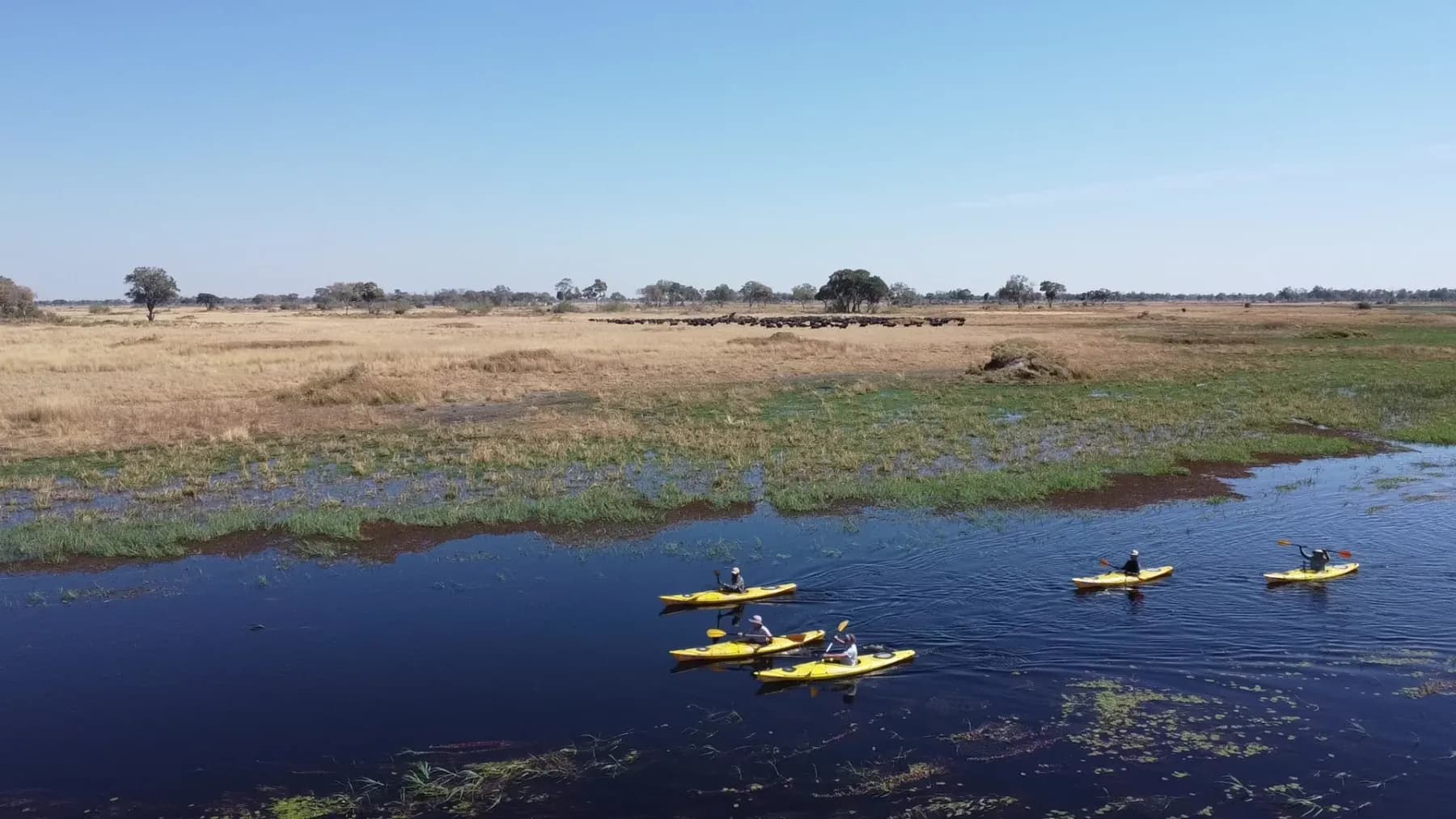
Botswana: Kayak the Okavango
Ten days kayaking the Okavango north to south — no roads, no fences, no phone signal.

- Duration
- 10 days
- Group size
- 7–12 travellers
- Operating window
- 27 June – 6 July 2027
- The departure
- Sun, 27 Jun 2027
- Gateway
- Maun (MUB)
- Remoteness
- Deep
- Self-reliance
- Supported
- Comfort
- Wild
- Environment
- Inland water
How to read these
These terms compare trips across Atlas51. Environment describes terrain, not difficulty.
Remoteness
Edge
Established support remains relatively close.
Deep
Help or an exit may take time.
Extreme
Help and an exit may be days away.
Self-reliance
Supported
The crew runs the core systems.
Shared
You take on part of the work.
Self-reliant
Your skills and decisions are central.
Comfort
Basic
A roof every night.
Wild
Camped, with camp made for you.
Spartan
You build your own shelter.
Environment
Desert
Sand, rock and arid ground.
Arctic
Snow, ice and sustained cold.
Jungle
Dense, humid forest.
Mountain
Steep, high or broken ground.
Inland water
Rivers, lakes and wetlands.
Ocean
Open-coast or offshore water.
Forest
Woodland and trail terrain.
Steppe
Open grassland with few trees.
Savanna
Warm grassland with scattered trees.
Reef
Shallow coastal water and coral ground.
Mixed
Several distinct terrains in one trip.
A good fit if
You want the undertaking, not just the backdrop
- 01
Want total wilderness immersion.
- 02
Think kayaking through the Delta sounds brilliant rather than terrifying.
- 03
Prefer adventure to luxury.
- 04
Enjoy being active rather than just watching from a vehicle.
- 05
Like wildlife with absolutely no fences involved.
- 06
Can cope without phone signal for almost two weeks.
- 07
Think a campfire dinner under the stars beats a hotel buffet every time.
The trip
The places, the people and the route
Journey
A route that has run before and can run again.
The animals have not signed the itinerary.
You paddle from the northern panhandle down through the channels and floodplains, camping on a different island each night, and the water decides the route.
Because it's floodwater that never reaches the sea. Because most safaris happen through a window or out the top of a van. This one happens from a kayak, at eye level with 130,000 large mammals and Africa's largest remaining elephant population. Because it's a maze of channels, islands, lagoons, elephants, lions, buffalo, hippos, gazelle, crocodiles and enough birdlife to make the sky go dark. And because somehow, hardly anybody is there. We aren't heading out to a luxury honeymoon lodge, we are paddling through it, camping in it, sleeping in it and occasionally being stared down by hippos in it.
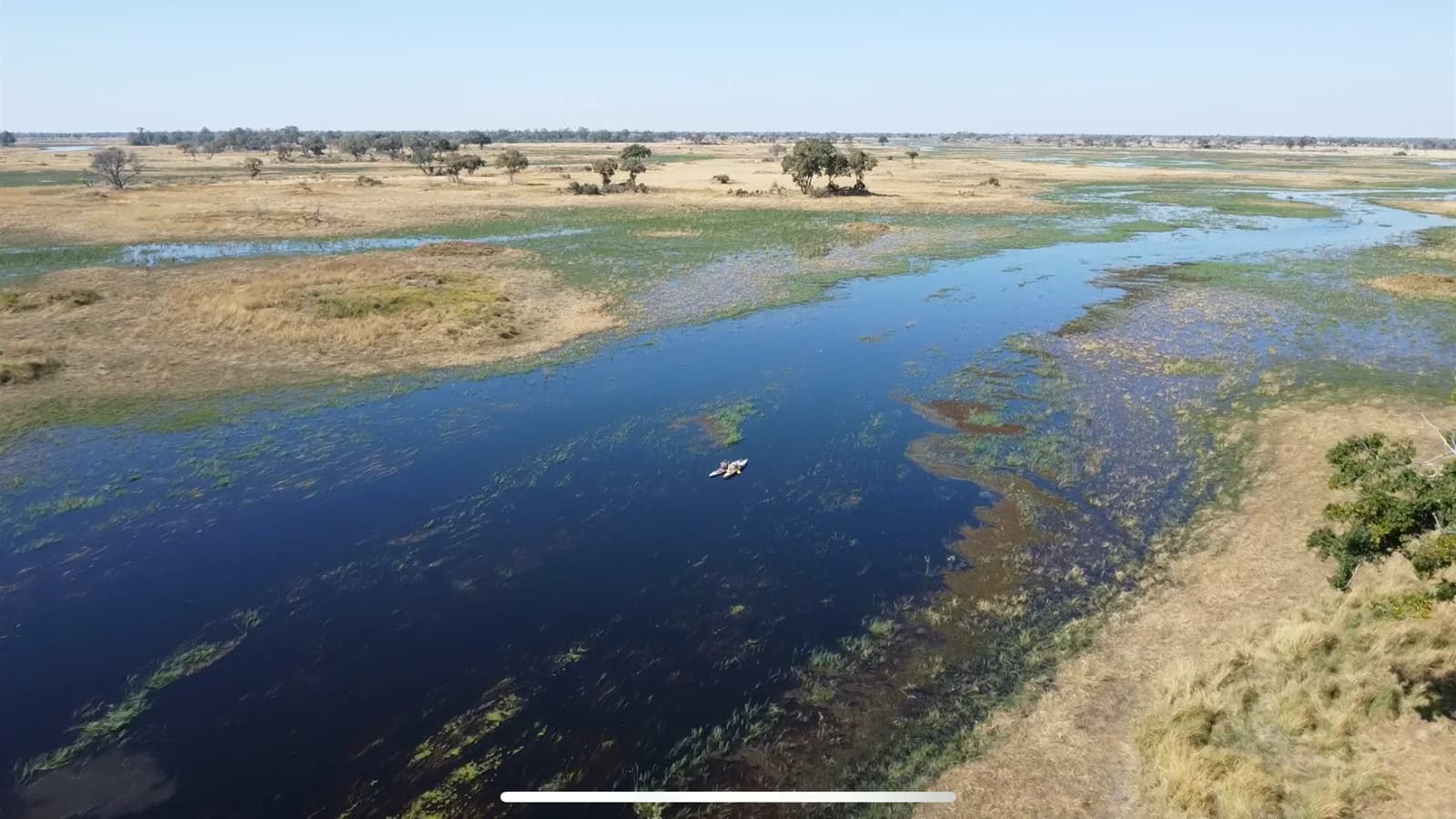
The Okavango is not really a river in the usual sense. It is floodwater spreading across the Kalahari Desert, creating one of the richest wildlife habitats on the planet.
There are no roads; the waterways are the roads and they change every year. No two years leave the same channels, meaning each journey is different and requires just as much planning as the year before.
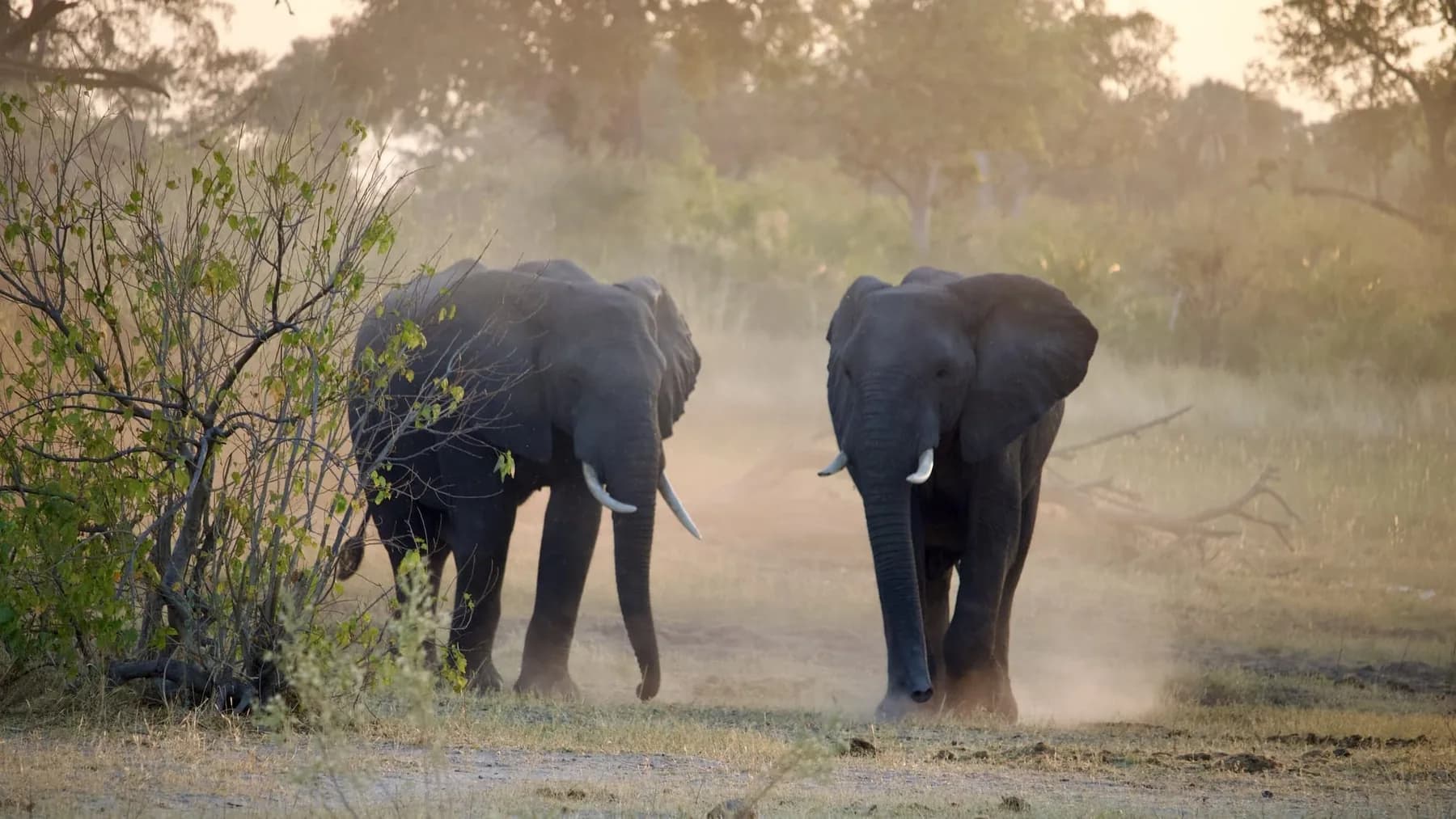
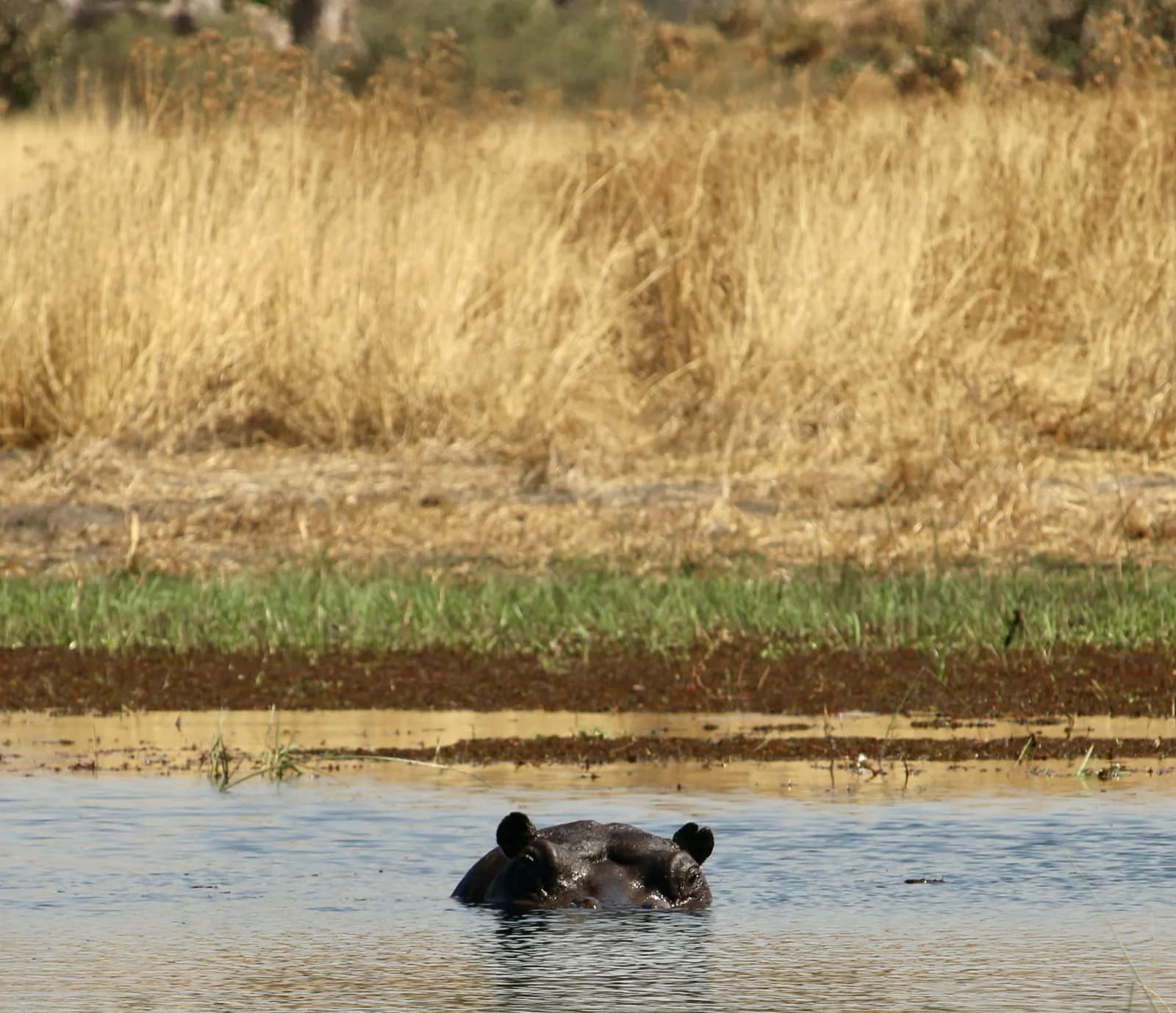
There are also no fences. The wildlife goes wherever it wants, which is great, provided you remember that some of the wildlife weighs three tonnes and has opinions.
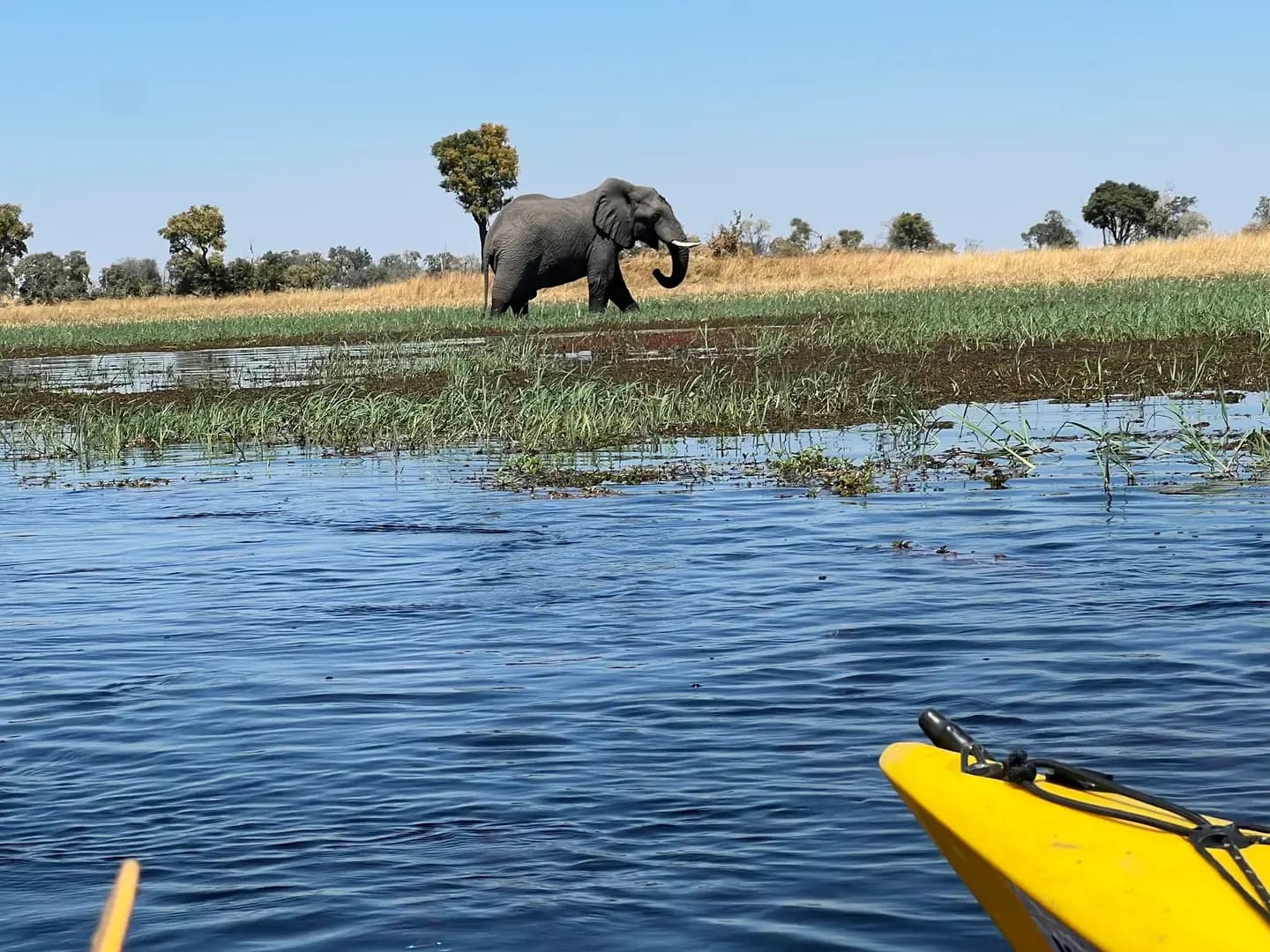
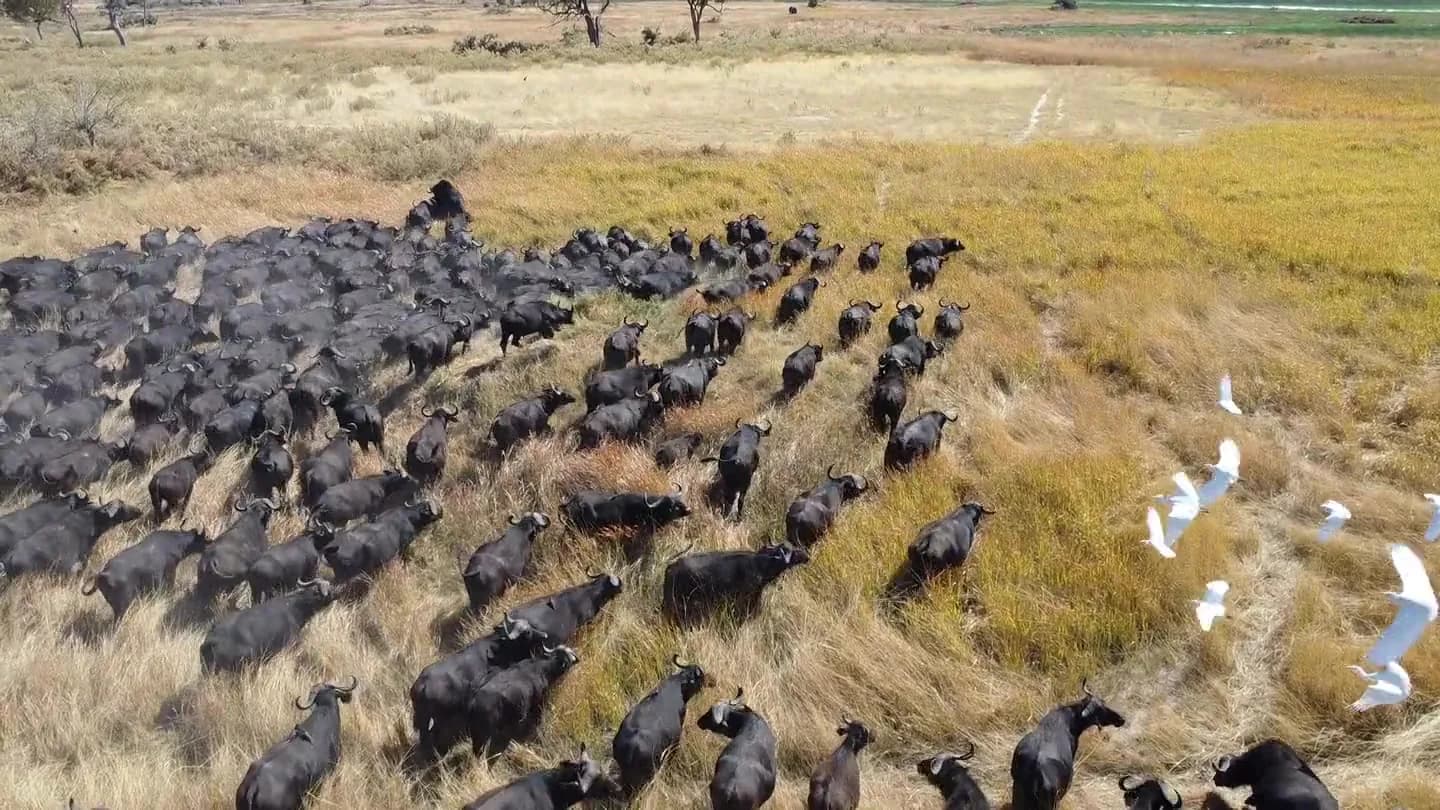
Elephants towering over you from the reeds. Fish eagles floating on the thermals overhead. Hippos suspiciously watching from the water. Crocodiles basking in the heat. Buffalo wading through the floodplains. Lions roaring in the distance. Hyenas laughing in the dark, and the deafening freight-train-like roar of hundreds of impala and zebra galloping through the water alongside you.
We start in Maun. Everyone arrives, we enjoy one final evening of relative civilisation. Then we head into the Delta: first by road in 4x4s, then by motorboat to the starting point. Then we load up the kayaks and cargo boat and away we go. The deeper we go, the quieter everything becomes. First the phone signal disappears, then the roads disappear. We pass out of the riverside villages and the people disappear. The Delta takes over.
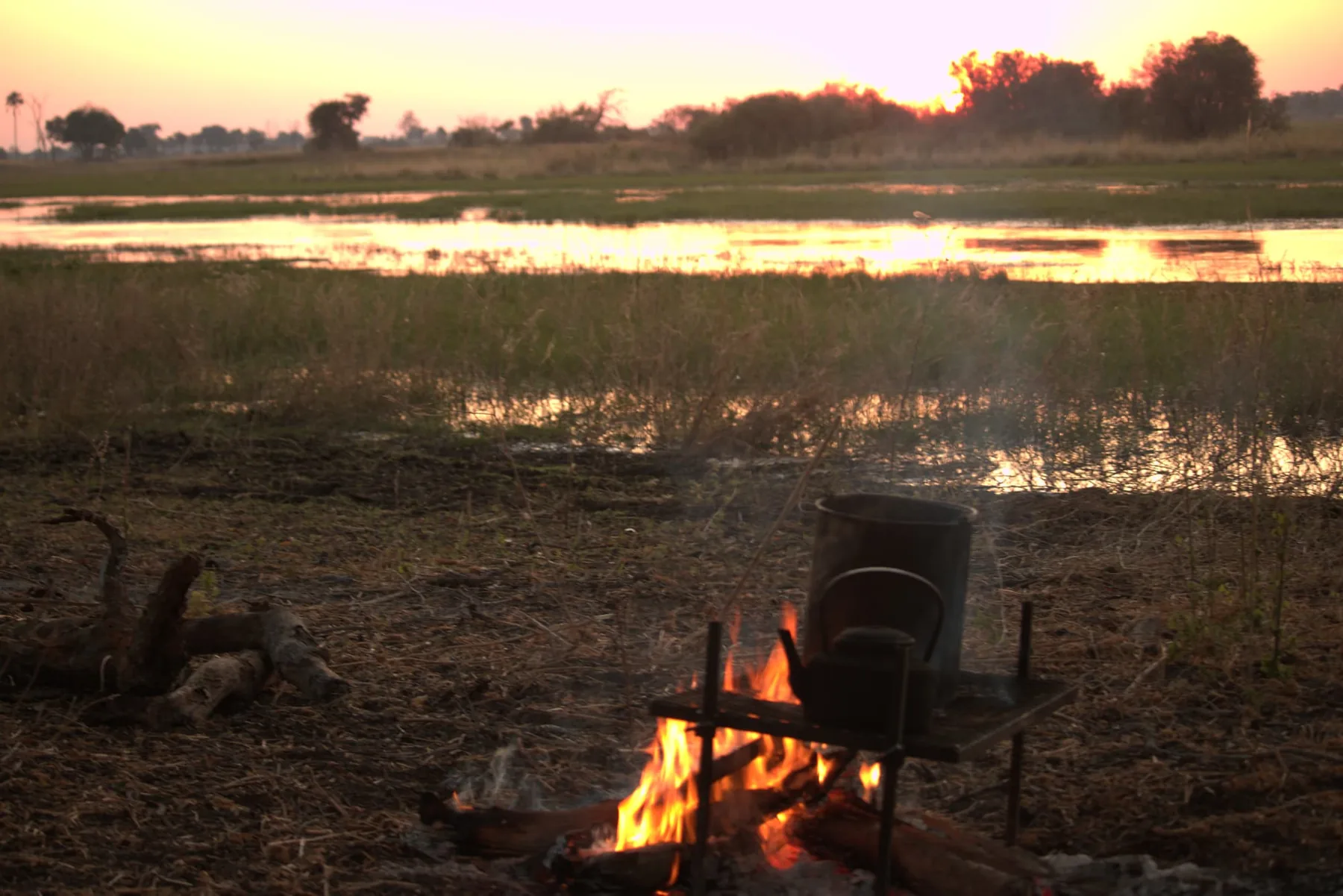
A normal day starts early with coffee around the fire and a sunrise walk to check for surrounding wildlife. Then breakfast — sausages, eggs, beans, toast and coffee while the sun comes up over the water. Then we fold down the tents, roll up the bedding and continue up the delta.
Some days are long, some days can be hot. Some involve threading through narrow reed channels where you can see 100% of nothing. Some open into huge floodplains where animals seem to be moving in every direction.
Lunch happens somewhere beautiful, with a welcome break and chance to take it all in before we paddle again. By late afternoon we arrive at camp. The tents go up, the bedrolls unravel and the pillows and duvets are ready. There are hot water wash basins for a quick wash before dinner and an evening bush walk. Dinner gets cooked over the fire. Cold drinks and wine are opened. The sun drops, the delta gets noisy.
Every trip is supported by experienced local guides who understand the channels, campsites, wildlife behaviour and conditions. Routes may change depending on water levels, wildlife movements, weather and local advice. Support boats carry equipment. Emergency communications are carried. Wildlife encounters are managed carefully.
That said, this is real wilderness. The animals have not signed the itinerary. Flexibility is part of the experience. Good judgement always comes first.
A typical day
The shape of the days
A slow rhythm, set by the water, the wildlife and the light rather than by a rigid schedule.
Move in the cool
Wake around seven and take a short walk while breakfast gets underway. Eat well, wash using warm-water basins, lower the tents and pack together, aiming to paddle off around eight before the day becomes too hot.
Drift with the current
Spend roughly six hours on the water, moving with the current and stopping regularly for wildlife. Break for a simple lunch, keep snacks and drinks close and let the pace of the delta, rather than distance, shape the day.

Make camp early
Pull into a safe inlet, island or riverbank and set up tents and bedrolls while there is still light. Take a short walk, light the campfire and watch the sunset with a beer or glass of wine.
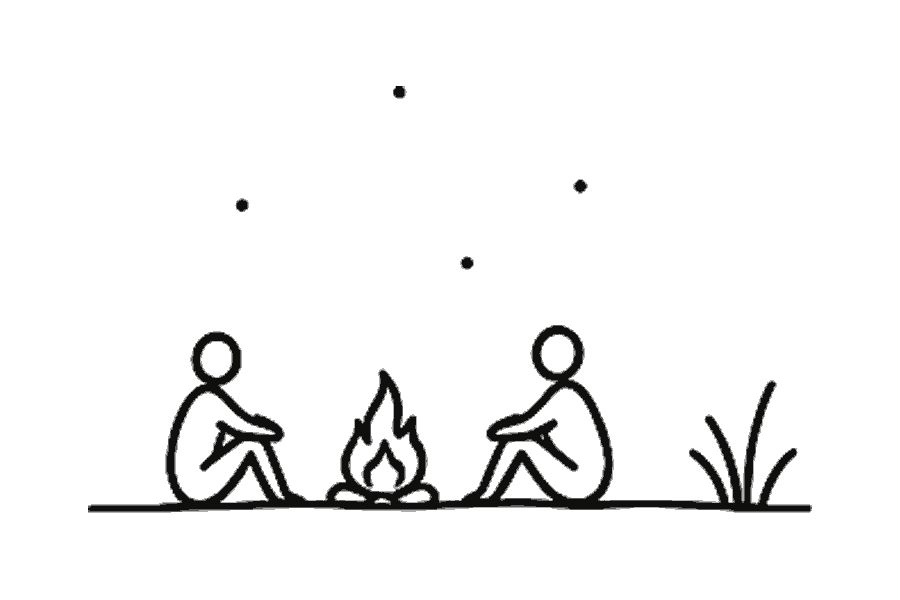
Stay out for the stars
Once darkness falls, linger beneath the stars before turning in. Fall asleep listening to the calls, splashes and rustling of whatever wildlife shares the waterways around camp.
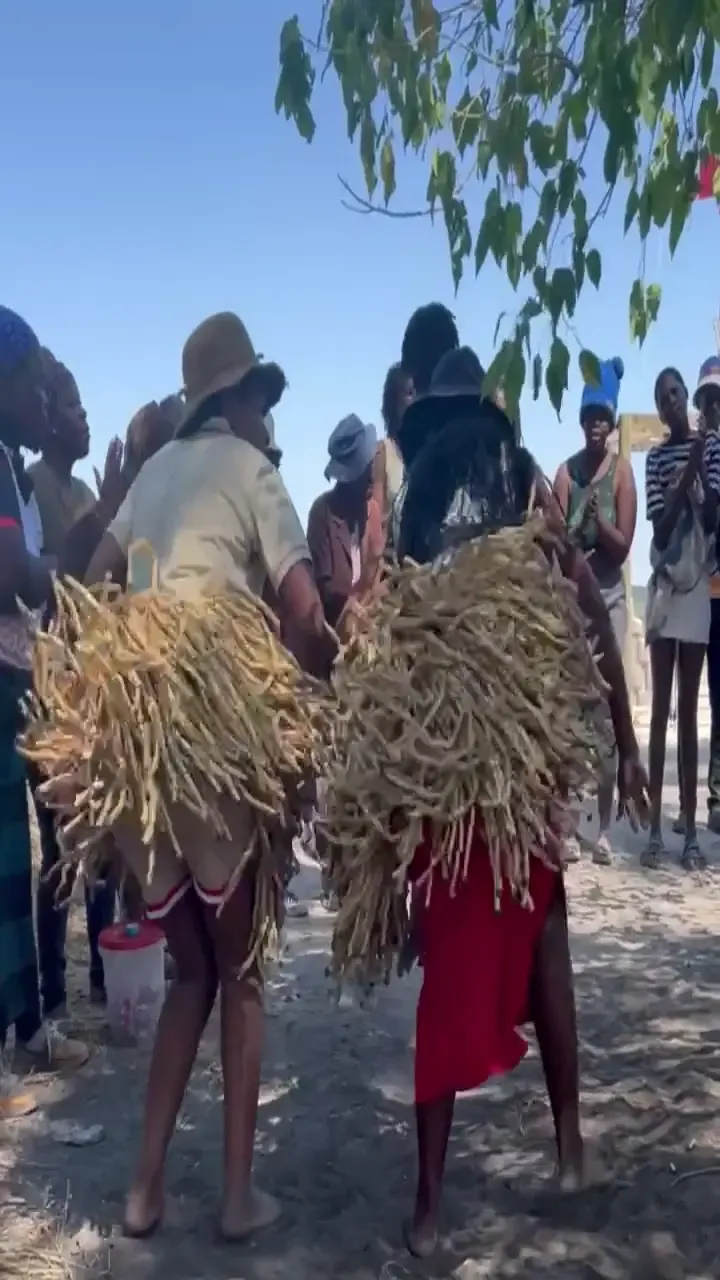
From the field
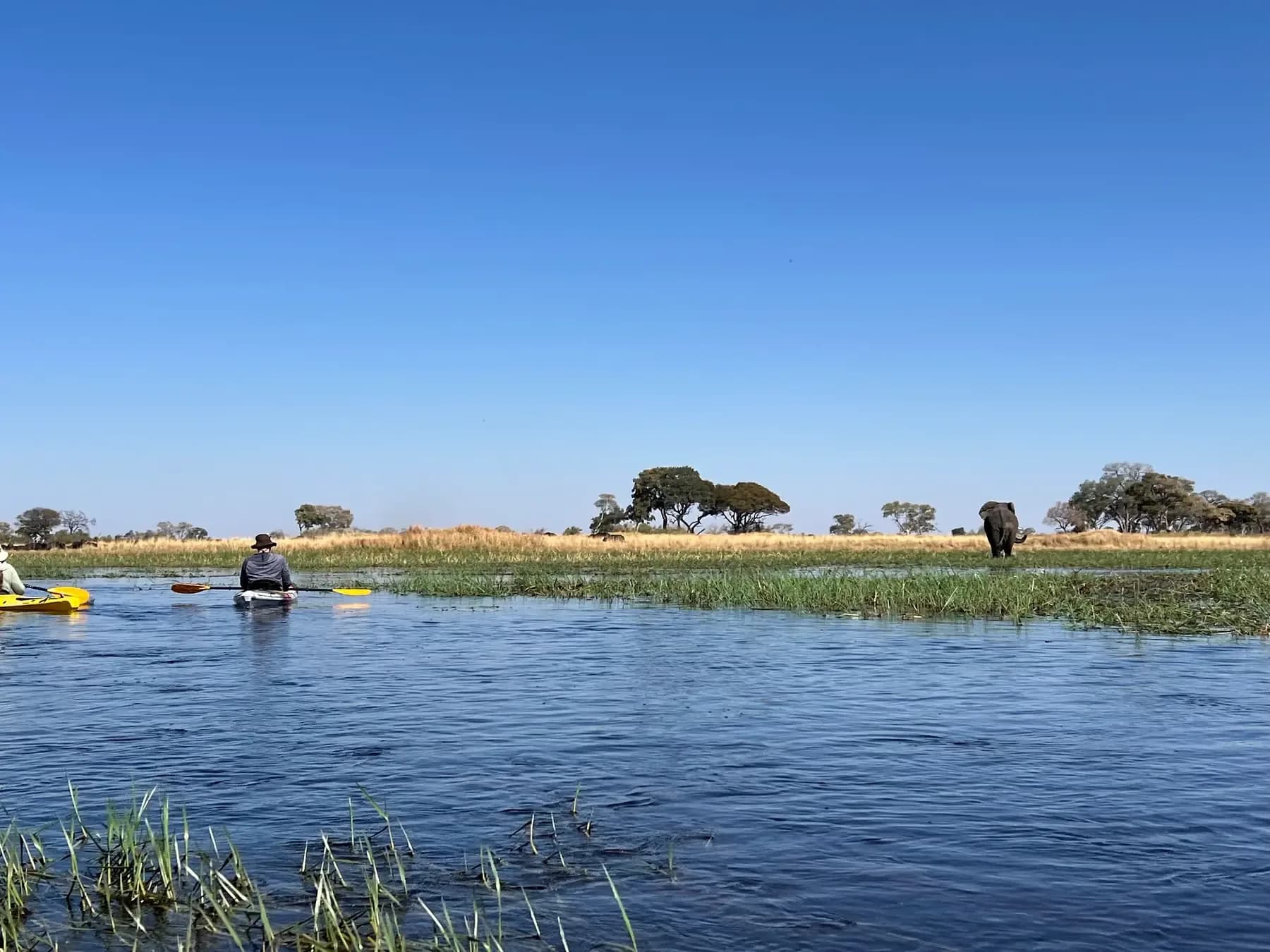
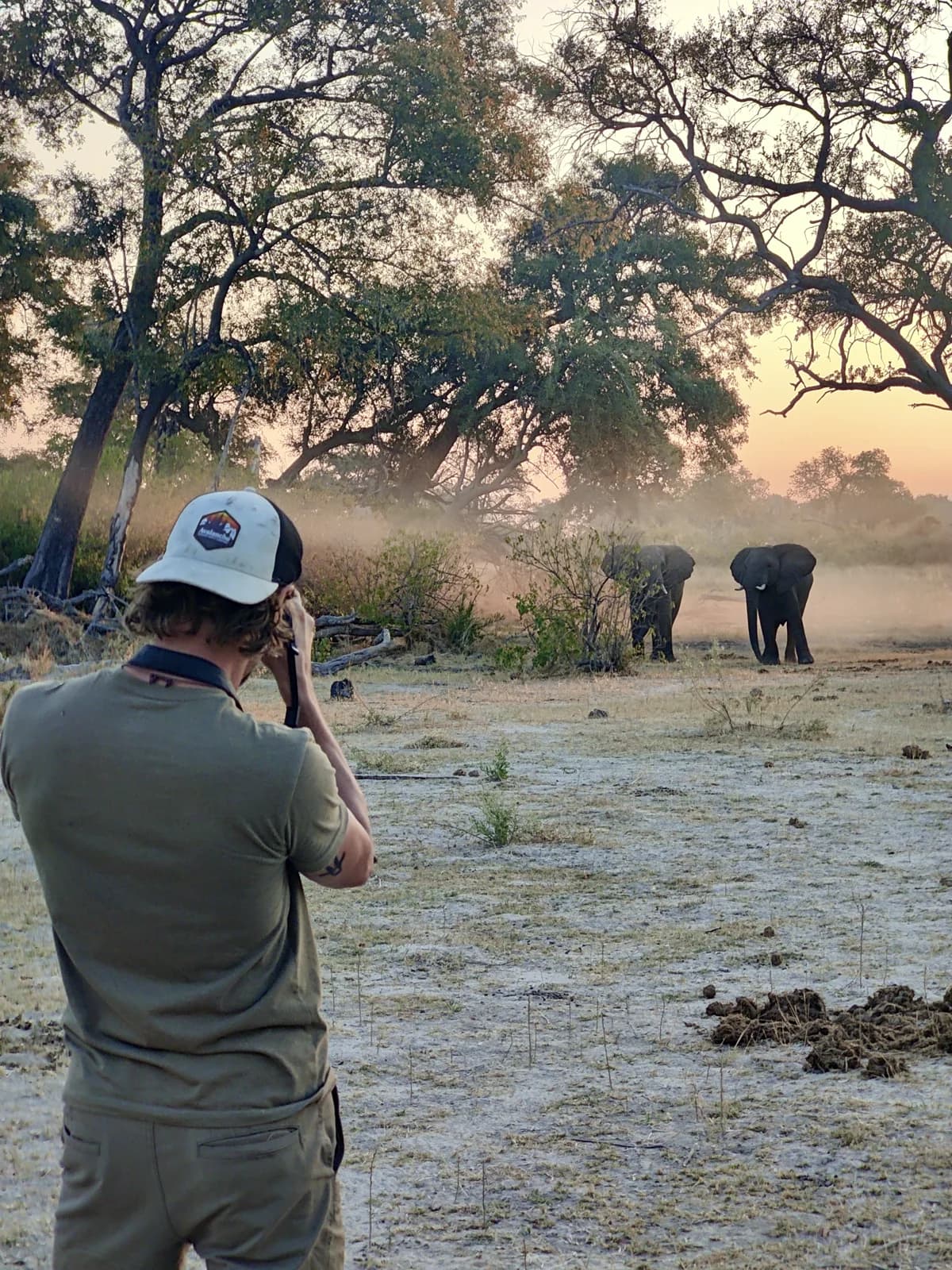
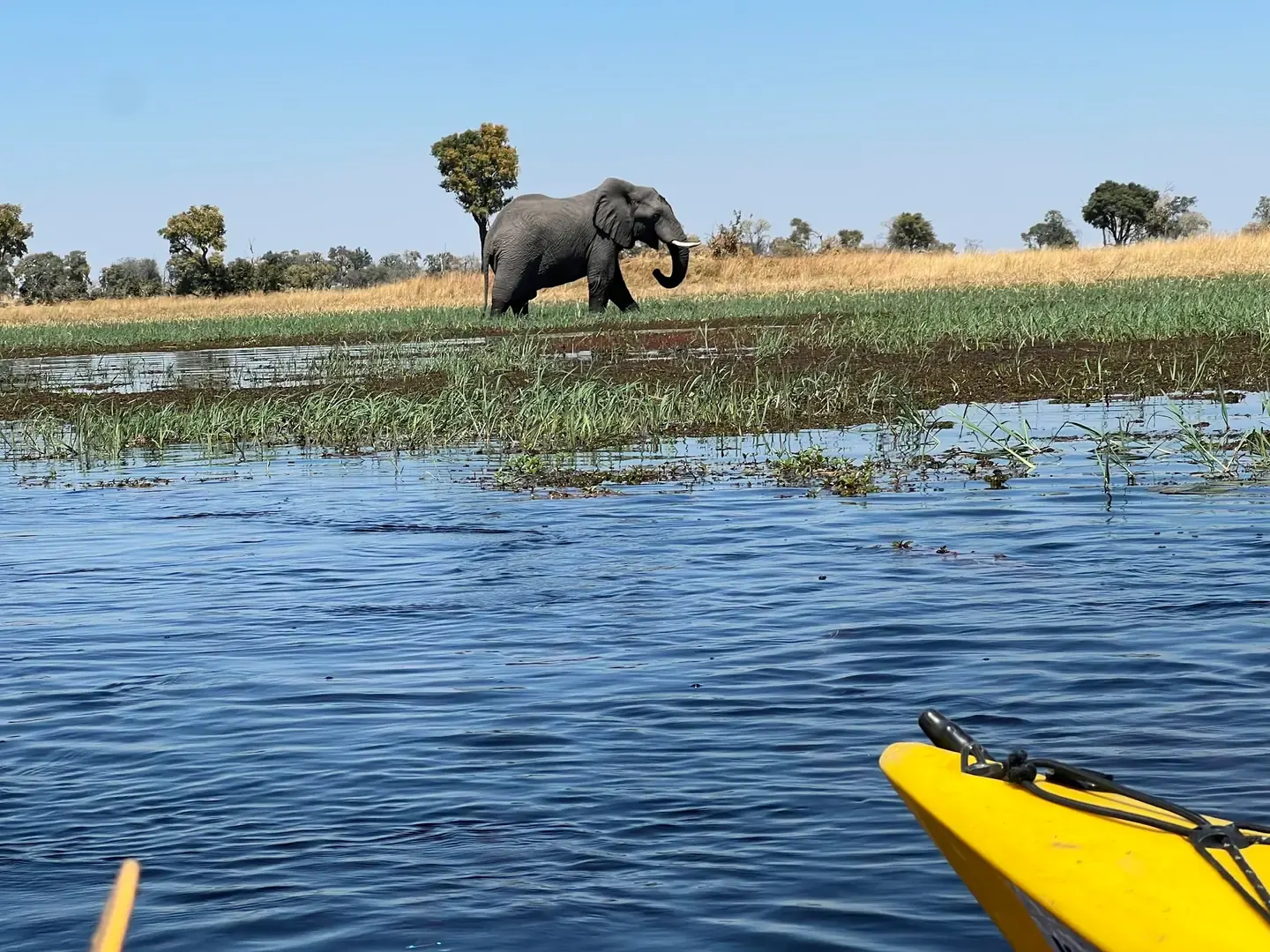 A yellow bow points straight at the elephant, close enough to matter. The route itself is decided by where the flood has actually reached this year.
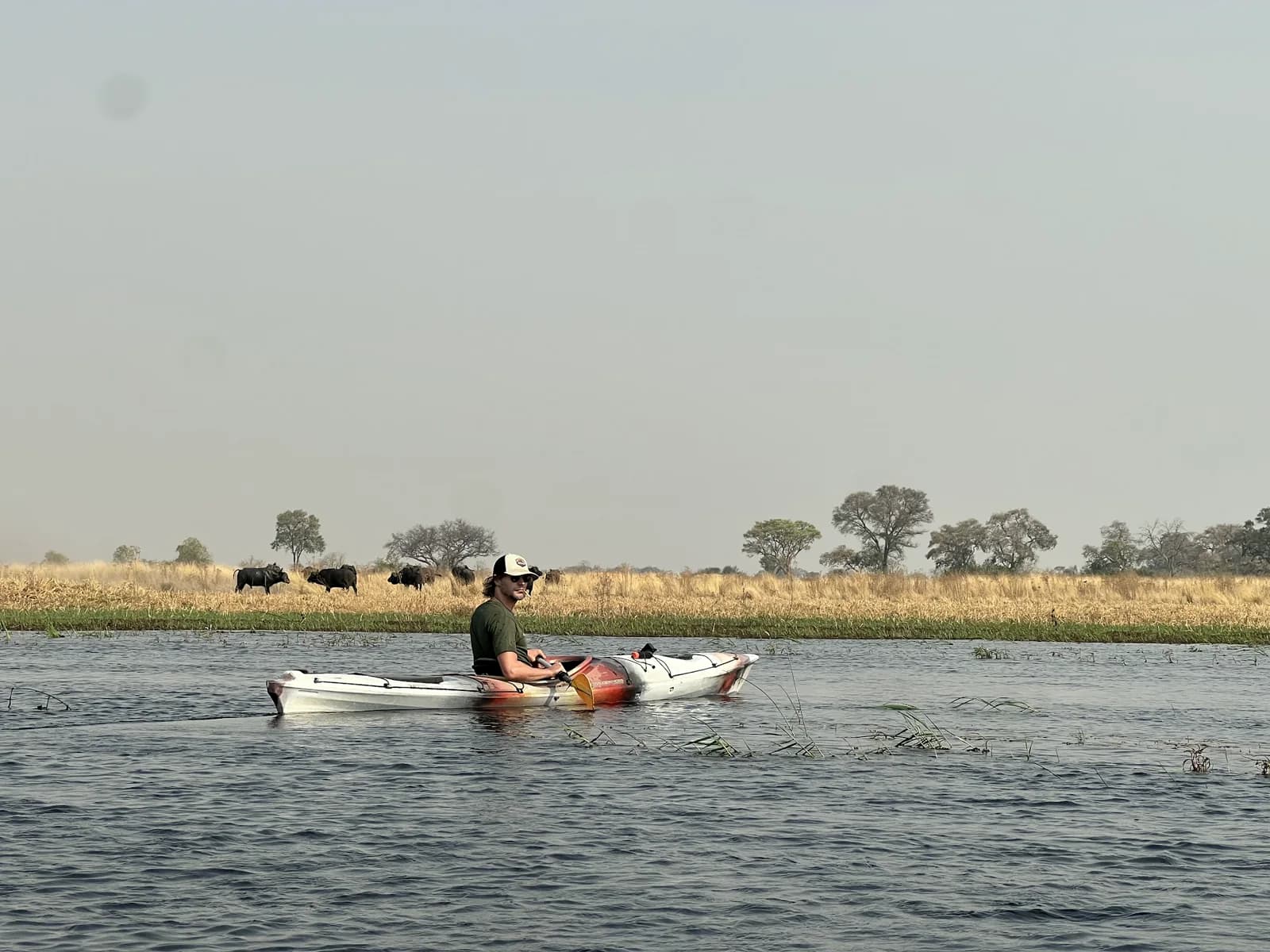
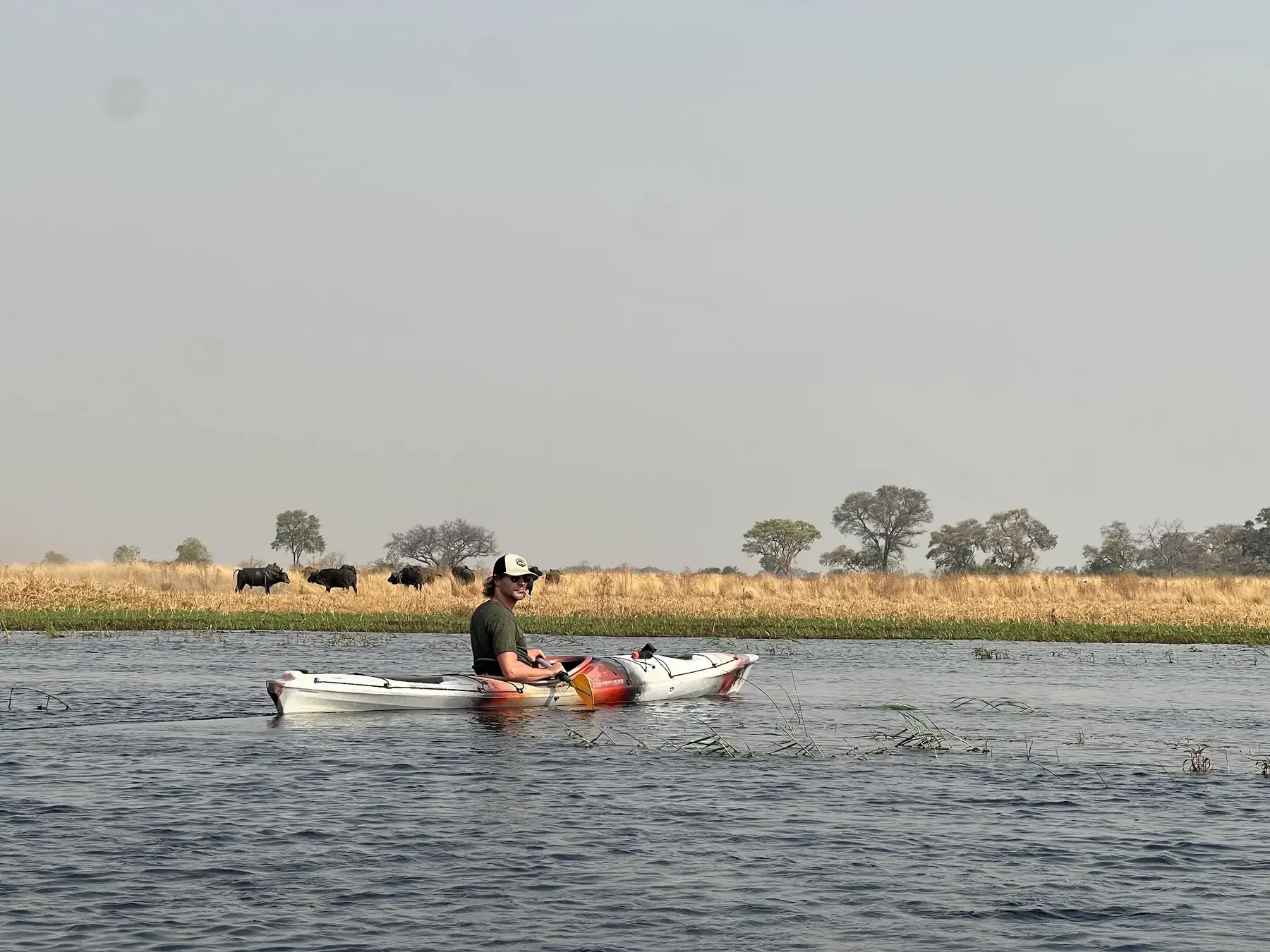 A paddler sits below a line of buffalo, no fence between them. This is safari at eye level, not through a window.
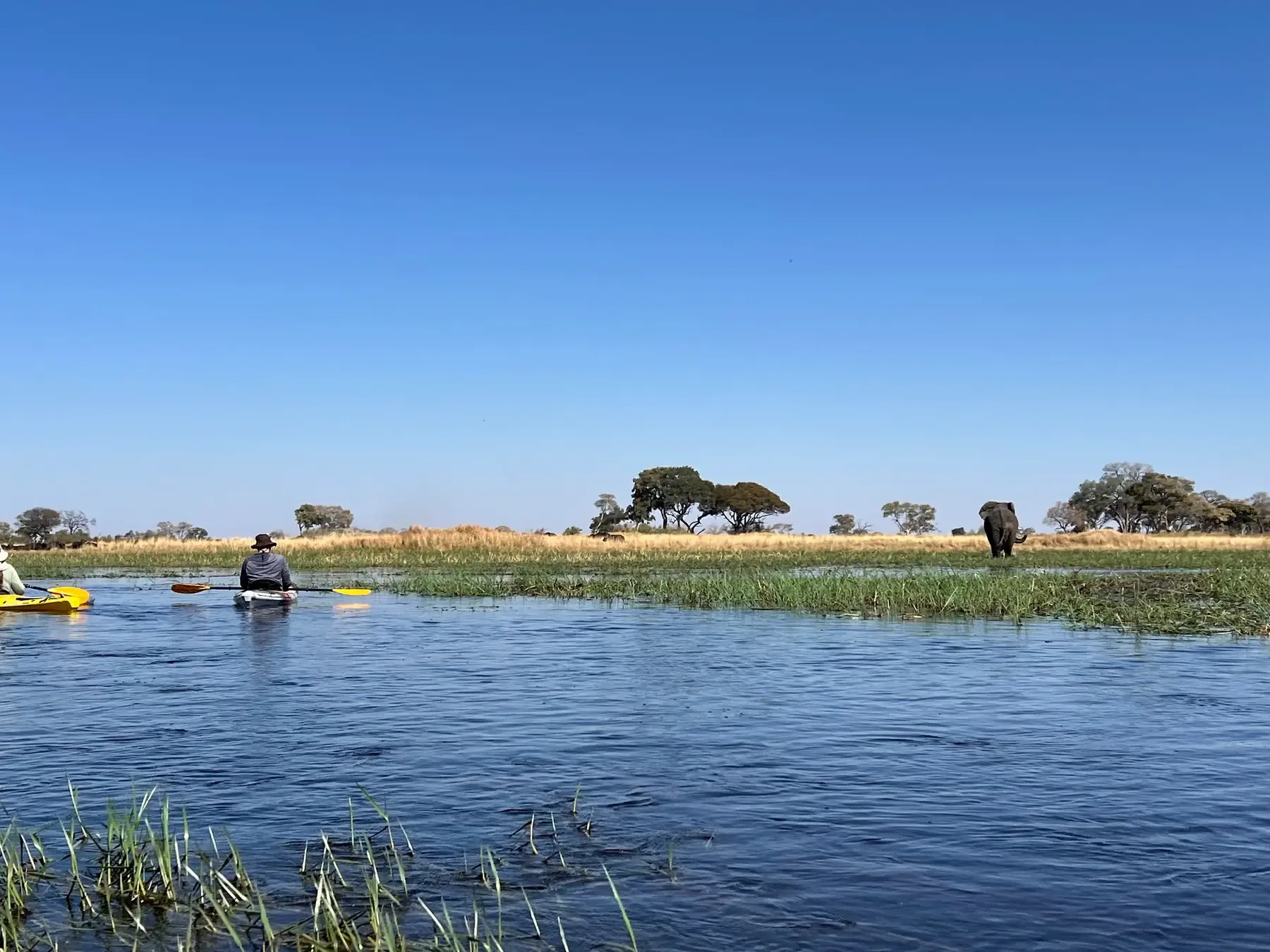 Two boats sit below a wide sky. The route opens from narrow channels into broad floodplains.
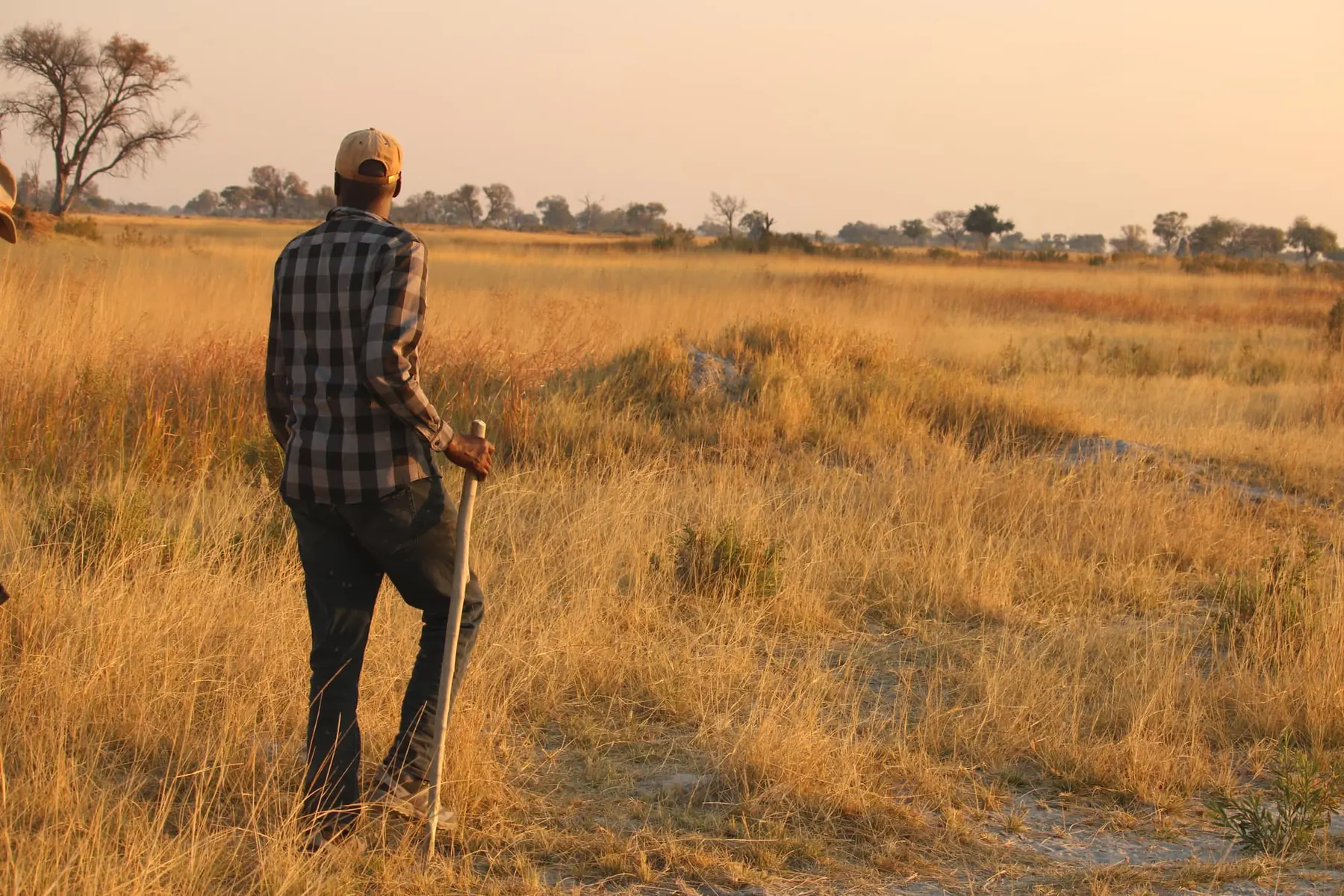 A guide reads the ground before anyone else moves. Every camp starts and ends with a walk to see what is nearby.
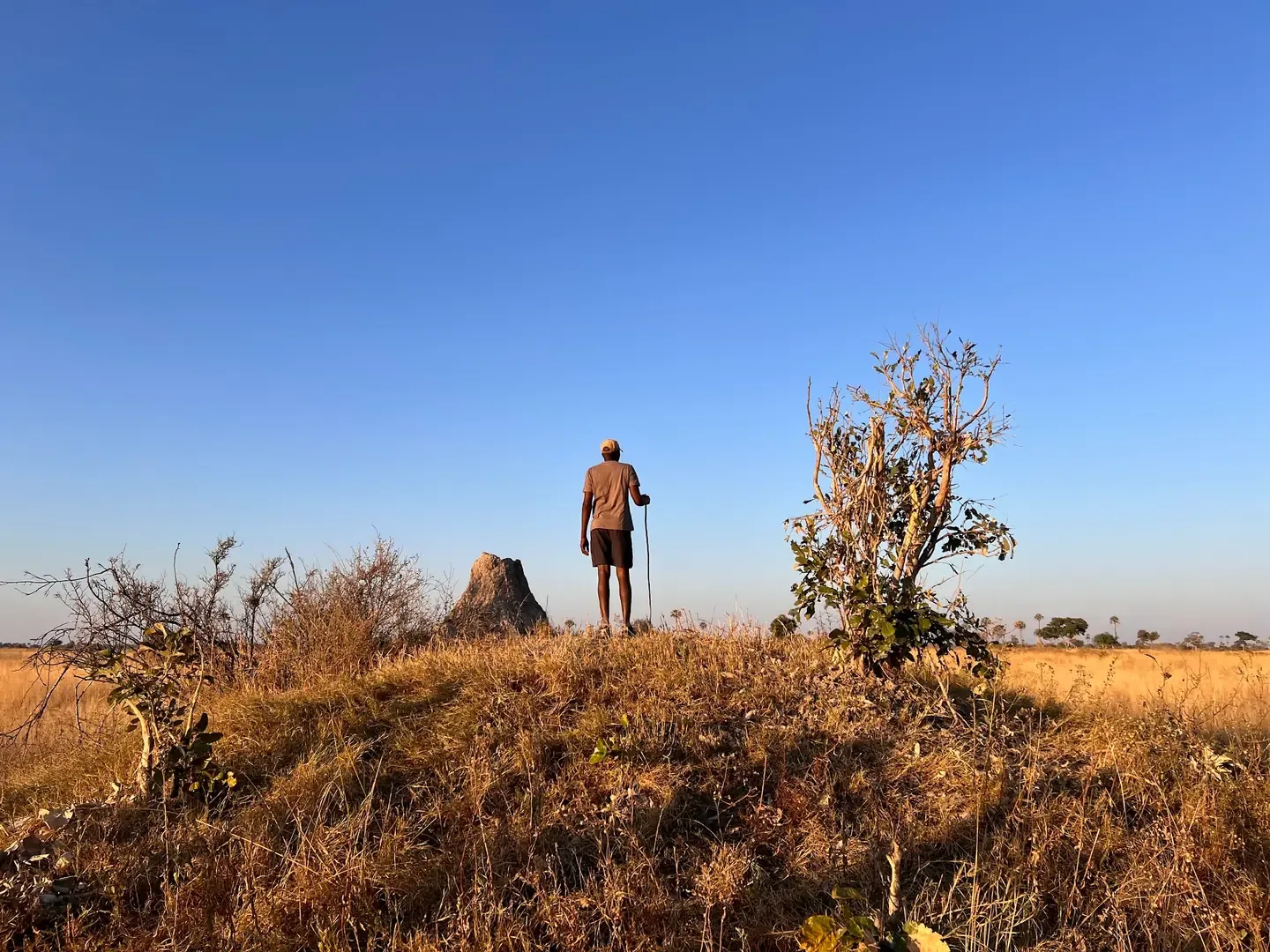 View all 14 photographsA person keeps watch above the grass, stick ready. No two nights here are spent on the same island.
Trip dossier
Route, arrival, kit and operating detail
Geography, arrival, flight handoff and equipment in one place. Final joining times are confirmed in writing for each departure.
01Route & terrain
10 days · Kayaking through the Delta · 2 route points
Maun by road and motorboat into the Delta, then north to south by kayak through channels and floodplains. The exact channels change every year with the flood. The map shows the region the trip covers rather than a surveyed route: waypoints are indicative, and the day-by-day is not yet confirmed.
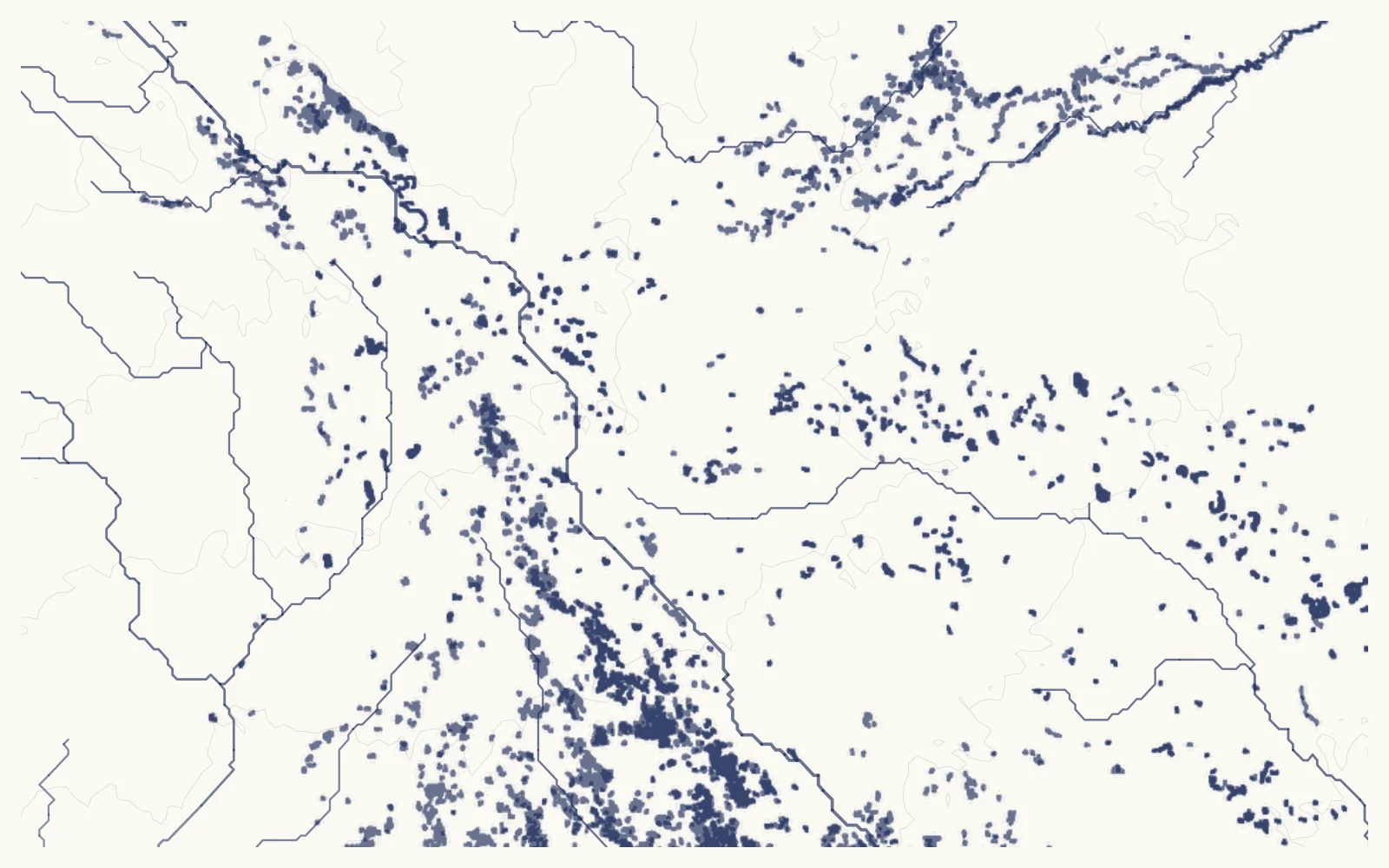
About this map
Rivers use HydroSHEDS/HydroRIVERS; the European Commission’s Joint Research Centre (JRC) provides observed water extent, Copernicus relief, and Natural Earth land and country boundaries. These layers provide geographic context, not navigation.
02Risk & conditions
Five dimensions · highest rating 4/5
The conditions that give this trip its character are the same ones that decide who should be on it. Each rating compares this trip with the others on the site; the line beside it says what that means here.
Physical
03 / 05
Ten days paddling, several hours a day, with camp made for you.
Technical
02 / 05
No kayaking experience required, though you should be reasonably fit.
Environment
04 / 05
Remote wilderness, no phone signal, no road access, high heat.
Activity
04 / 05
Kayaking among hippos, crocodiles and elephants. Hippos are the largest single hazard.
Geopolitical
01 / 05
Botswana is stable. No advisory concerns.
When it goes wrong
On the ground, the trip lead makes the immediate safety call — changing the route, changing the day or stopping the activity. The communications, medical and evacuation arrangements confirmed for this departure will be set out in your written trip information. If a service is not named there, do not assume it is included. Emergency and legal limits →
03Where you sleep
Wild camps through the Delta, with tents, bedrolls, duvets and pillows.- First and last night's accommodation is not included; it can be arranged on request.
- During the Delta journey
- Fully supported wild camping with camp wash facilities.
Sharing arrangements and any single option have not yet been confirmed for this trip. Tell us what you need before booking.
04What you eat
Cooked breakfasts, fresh lunches and campfire dinners are included.
- Meals
- Cooked breakfasts, fresh lunches, BBQ dinners, tea and coffee; cold drinks where possible.
05Arrival & orientation
Maun (MUB) · Botswana
Maun
Maun Airport
Maun is the main gateway to the Okavango Delta. Charter aircraft, vehicles and river transfers leave from the town; the exact handover from scheduled flight to trip transport is set for each departure.
- Airport
- MUB
- Country
- Botswana
- Time zone
- Africa/Gaborone
06Flights & joining dates
Maun (MUB) · Sun, 27 Jun 2027 – Tue, 6 Jul 2027
Start with flights into Maun (MUB).
The search below opens an external site with the recommended travel dates already filled in. Wait for the written arrival deadline before buying a fare you cannot change. Atlas51 does not sell flights or take payment for them.
Sun, 27 Jun 2027 – Tue, 6 Jul 2027
Recommended travel dates · A51-OKA-JUN27
Into and out of Maun (MUB)
07Kit & equipment
Confirm the trip-specific kit with us before booking
Ask us to confirm the kit required for your departure, what is provided and any hire costs before you book or buy equipment. The trip inclusions state what is currently included in the price.
08Practical detail
Cancellation, insurance and what's included
- Details & pricing
- Enquire.
- International flights are excluded unless the written offer explicitly includes them.
- Entry & health
- Passport, visa and health requirements are yours to confirm.
- We tell you what we know before you apply. Disclose anything relevant to your safety or the trip's.
- Sleeping arrangements
- Confirmed in your written offer.
- Ask about a single/solo supplement when you apply.
- Insurance
- A condition of travel — cover for medical treatment, emergency evacuation and repatriation.
- We introduce a specialist broker if you'd like one.
- What's covered
- The trip as described on this page — the operator's services, in-trip logistics and issued equipment.
- Excludes flights, personal spending, visas and anything marked excluded in your written offer.
What's included
- Accommodation — Fully supported wild camping through the Delta; large tents, bedrolls, duvets and pillows; camp ablutions and wash facilities.
- Food — Cooked breakfasts; fresh lunches; BBQ dinners; tea and coffee; campfire meals; cold drinks where possible.
- Transport — Road transfers where required; speedboat and motorboat transfers; expedition kayaks; support boats carrying luggage and camp equipment; mokoro experience where possible.
- Guides and Support — Experienced Delta guides; local support crew; wildlife safety briefing; camp support; satellite phone and first aid kit.
- Equipment — Wilderness Systems touring kayaks or equivalent; paddling equipment; camping equipment; safety equipment; group expedition kit.
What's not included
- International flights
- First and last night's accommodation (can be provided on request)
- Travel insurance
- Personal equipment
- Alcoholic drinks outside those provided
- Tips and gratuities
- Visa fees, if applicable
- Extra hotel nights before or after the trip
09Common questions
3 questions answered specifically for this trip, rather than in general.
- What if I've never done this before?
- No kayaking experience is required, though you should be reasonably fit. A typical day includes roughly six hours on the water, with breaks; support boats carry luggage and camp equipment.
- What is included at camp?
- The trip includes tents, bedrolls, duvets, pillows and camp wash facilities. First and last hotel nights are excluded and can be arranged on request.
- What happens if things don't go to plan?
- Channels and camps change with water levels, wildlife, weather and local advice. Experienced local guides decide the route; the published map is indicative, not a fixed itinerary.
01 · Apply
Nothing is booked or charged online.
02 · Tommy replies
Tommy will aim to reply within one business day.
03 · Written offer
The trip, price and next step—in writing.
One date
The departure
Sun, 27 Jun 2027 — Tue, 6 Jul 2027
Applications openPlaces available · small groupApplications close28 May 2027
 Member no. 6573. Payments go into a PTS trust account.
Talk the dates or the fit through with Tommy first.
Book a 30-minute chat →Know someone who should see this trip?
Keep a copy of the trip
A brochure for Botswana: Kayak the Okavango, to read, keep or share.
A related field note
- Two weeks in the Okavango DeltaA cargo boat hits a hippo, eight strangers become a kayak crew, and the roads disappear for two weeks in Botswana.This is a personal account of an earlier two-week journey. The current Atlas51 trip has its own duration, dates and inclusions, set out on the linked trip page.More photographs in the story →
Keep exploring
Where next
 Journey
Gilgit-Baltistan, Pakistan
Pakistan tuk-tuk frontier
Sixteen days driving a three-wheeler up the Karakoram Highway — supported, and not a race.
See the trip →16 days
Enquire
 Journey
Xinjiang, western China
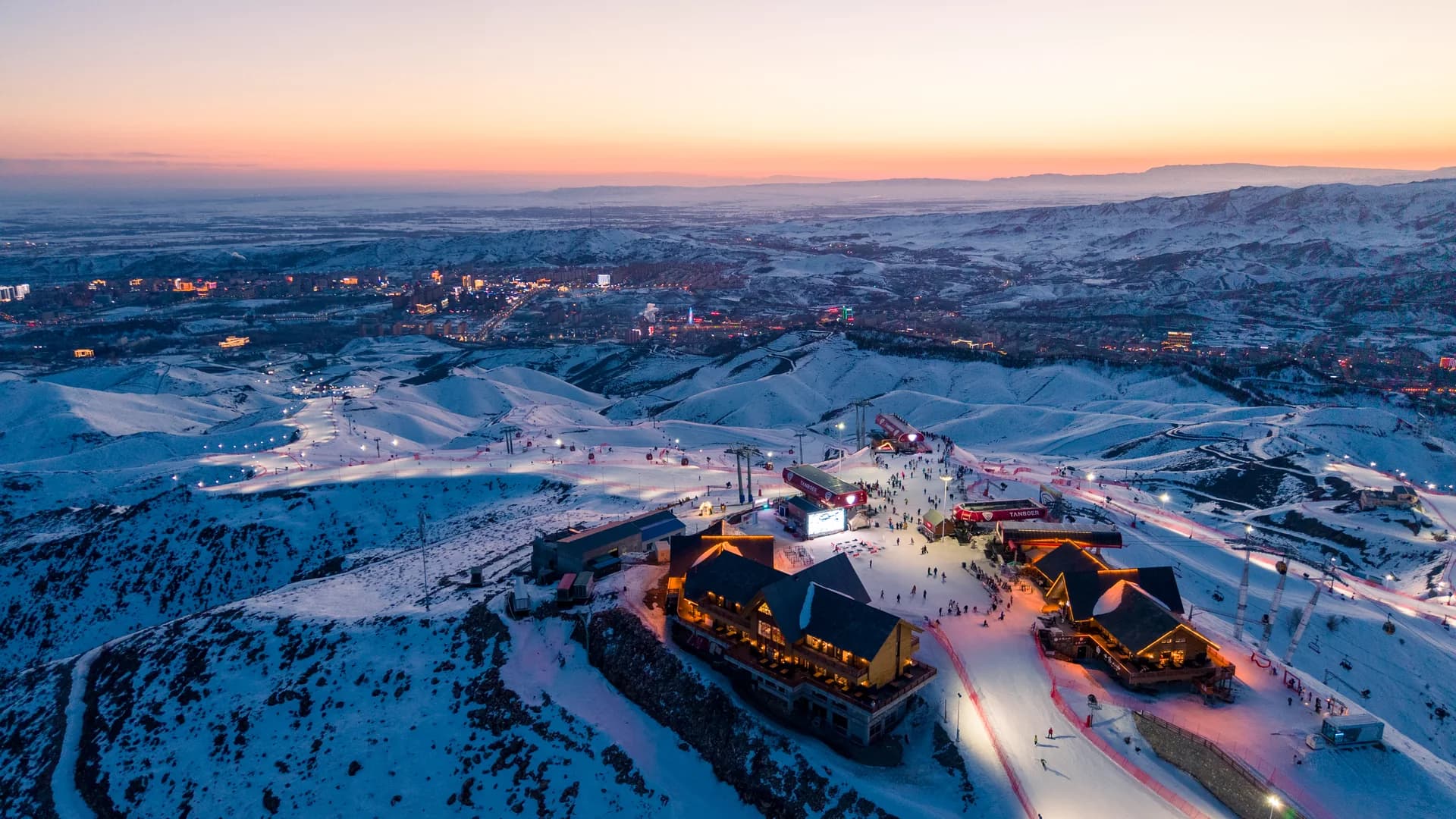
The Xinjiang snow tour
Eleven days skiing Xinjiang, from neon Ürümqi north across the desert to the Altay.
See the trip →11 days
Enquire
 Expedition
Pakaraima Mountains, Guyana
Guyana: Sky People
Fourteen days on foot into Guyana's Pakaraima Mountains, towards a summit nobody can promise.
See the trip →14 days
Enquire