
Pakistan tuk-tuk frontier
Sixteen days driving a three-wheeler up the Karakoram Highway — supported, and not a race.


- Duration
- 16 days
- Group size
- 7–10 travellers
- Operating window
- 26 March – 10 April 2027
- The departure
- Fri, 26 Mar 2027
- Gateway
- Skardu (KDU)
- Remoteness
- Deep
- Self-reliance
- Shared
- Comfort
- Basic
- Environment
- Mountain
How to read these
These terms compare trips across Atlas51. Environment describes terrain, not difficulty.
Remoteness
Edge
Established support remains relatively close.
Deep
Help or an exit may take time.
Extreme
Help and an exit may be days away.
Self-reliance
Supported
The crew runs the core systems.
Shared
You take on part of the work.
Self-reliant
Your skills and decisions are central.
Comfort
Basic
A roof every night.
Wild
Camped, with camp made for you.
Spartan
You build your own shelter.
Environment
Desert
Sand, rock and arid ground.
Arctic
Snow, ice and sustained cold.
Jungle
Dense, humid forest.
Mountain
Steep, high or broken ground.
Inland water
Rivers, lakes and wetlands.
Ocean
Open-coast or offshore water.
Forest
Woodland and trail terrain.
Steppe
Open grassland with few trees.
Savanna
Warm grassland with scattered trees.
Reef
Shallow coastal water and coral ground.
Mixed
Several distinct terrains in one trip.
Photography note
The Hunza hero, Sost valley and tuk-tuk training photographs show Pakistan. Other road and group photographs show a previous similar tuk-tuk recce in India, identified in their captions; hotel photographs show the named properties.
A good fit if
You want the undertaking, not just the backdrop
- 01
You are prepared to drive a tuk-tuk on mountain roads after training.
- 02
You can manage long driving days at altitude and on rough surfaces.
- 03
You want a supported self-drive journey with route briefings, mechanics and support vehicles.
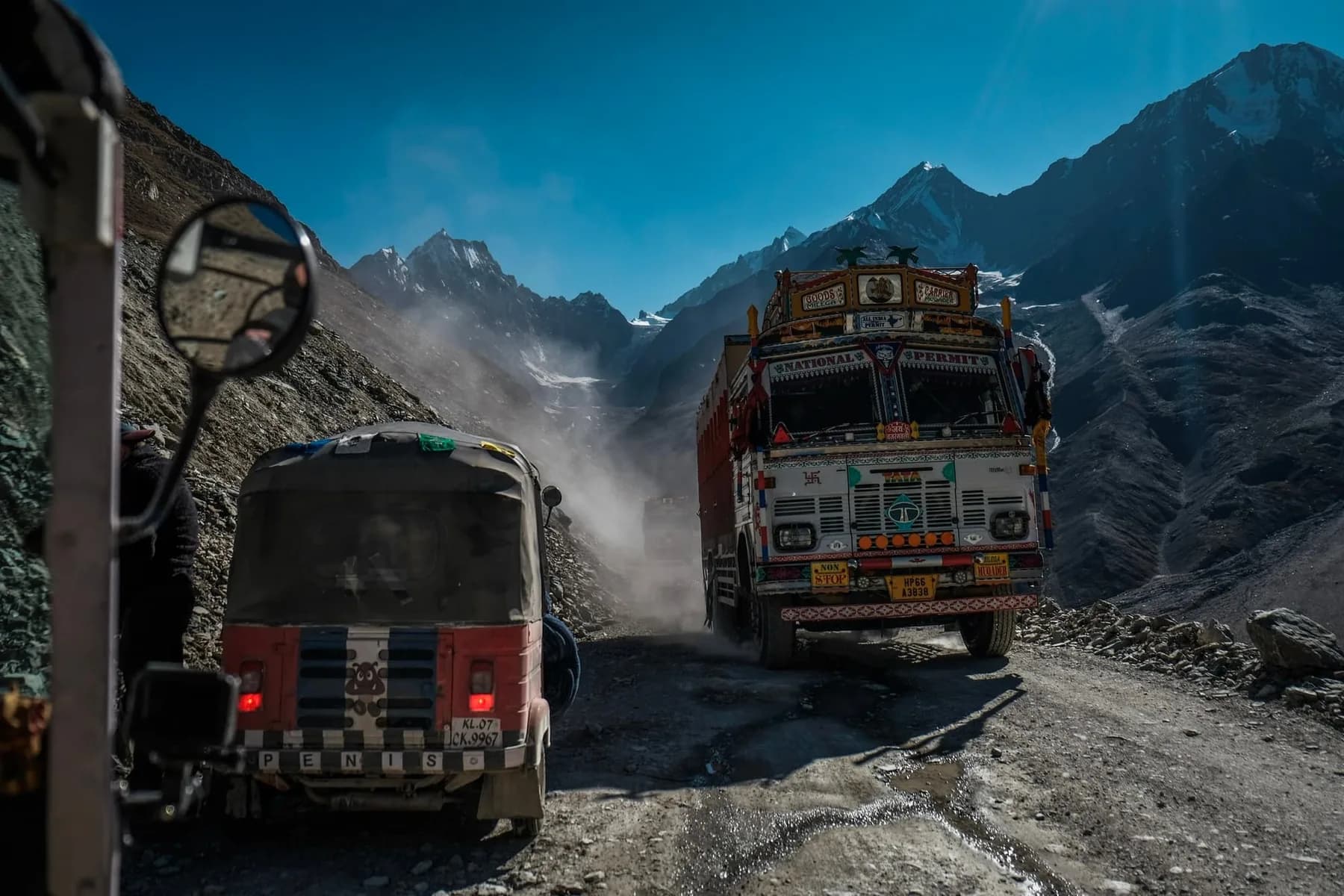
Previous similar tuk-tuk recce, India.
The trip
The places, the people and the route
Journey
A route that has run before and can run again.
Welcoming travellers is treated as a sacred duty rather than a business transaction.
Skardu to Gilgit, then north through Hunza to the Chinese border at over 4,000 metres, and back south again.
Because the mountains are ridiculous — you might have heard of one of them, it's called K2. Because the roads are legendary; the Karakoram Highway has been called the eighth wonder of the world, and tops out at over 4,000 metres on the Khunjerab Pass. Because the hospitality is real. Centuries of Silk Road trade and hard mountain winters made hospitality a survival system in these valleys. Welcoming travellers is treated as a sacred duty rather than a business transaction. Because proper adventure travel still exists here: huge peaks, remote valleys, high passes, colourful trucks, roadside chai, wild roads and a proper sense of expedition.
This is a self-drive Tuk-Tuk adventure through Gilgit-Baltistan. Skardu to Gilgit, Hunza to Sost and over the high frontier of Khunjerab Pass. The route covers cold deserts, mountain highways, turquoise rivers, Silk Road valleys and one of the most dramatic border roads on Earth.
This is a supported self-drive challenge. Each team gets its own Tuk-Tuk for the duration, with training, safety briefing, navigation sheets, route support, daily challenges, tracking, support vehicles, mechanics, luggage back-up and an on-ground team travelling alongside the group.
Each day starts with a route briefing from the expedition team, covering checkpoints, road conditions, safety notes and potential risks. The route is broken into driving legs, with challenges built into the journey across cultural, language, physical, culinary and photography themes.
Speed is never the priority. The point is teamwork, discovery, problem-solving.
We start in Skardu, deep in the mountains of northern Pakistan. The next morning we head to the Sarfaranga Cold Desert to begin Tuk-Tuk training — huge skies, sand, mountains.
Day three is flag-off. We hit the road towards Gilgit, with route briefing, checkpoints and challenges along the way, reaching Gilgit, the gateway to the Himalayas.
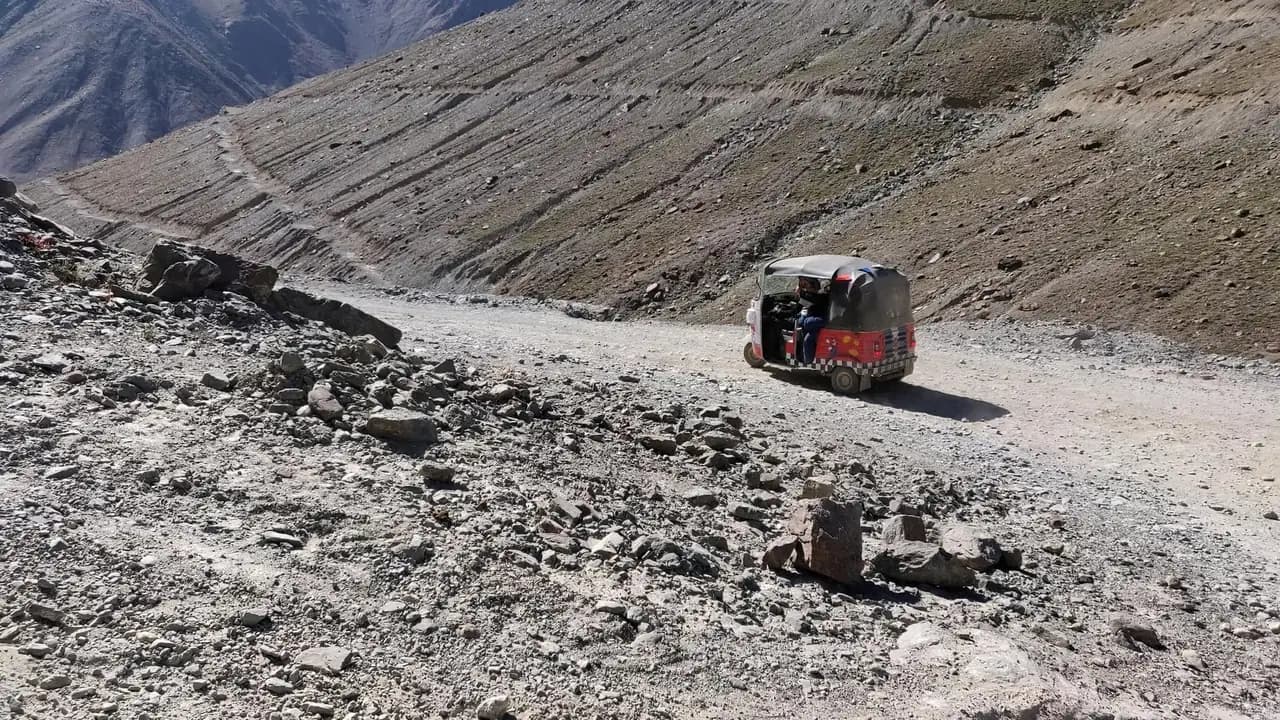
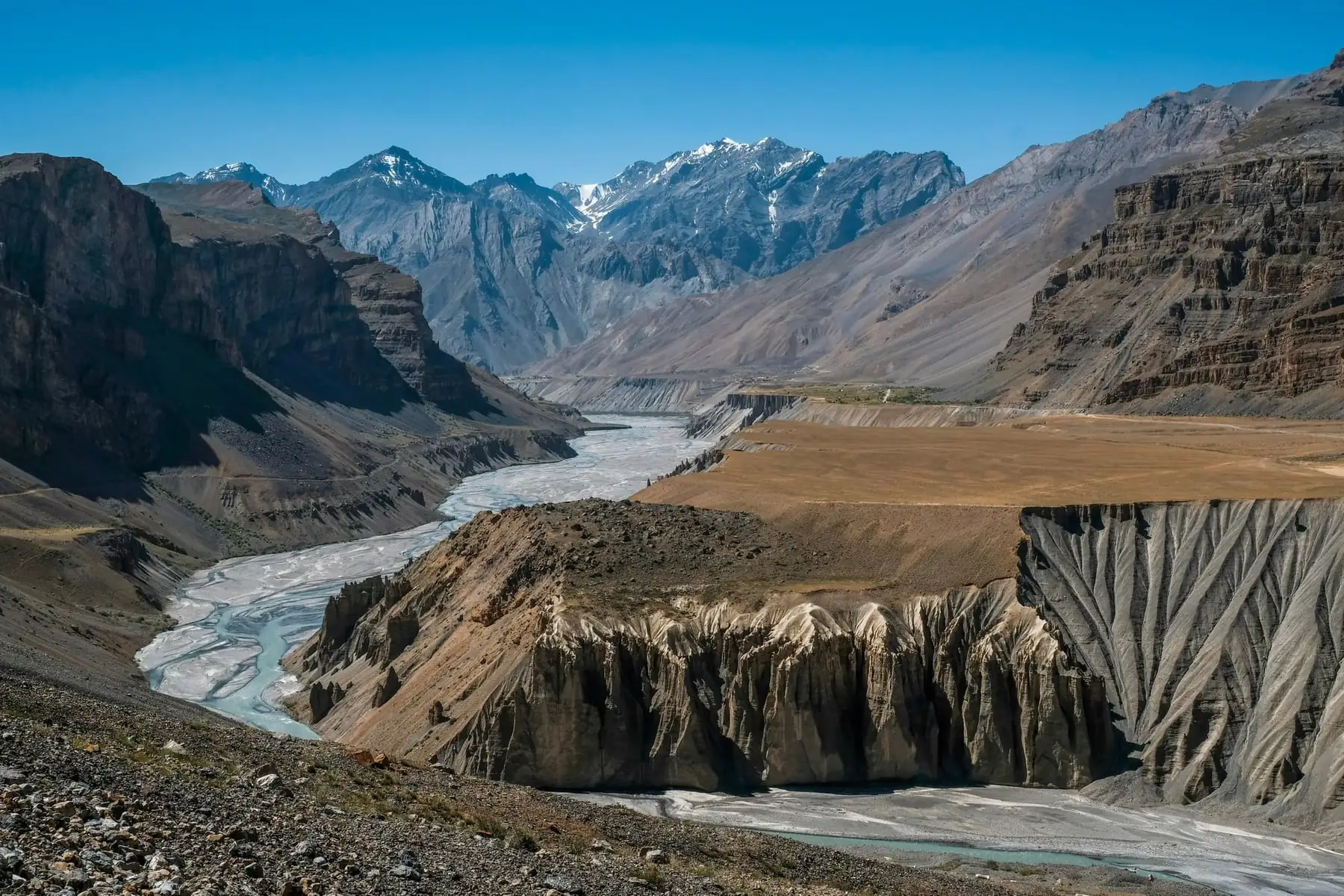
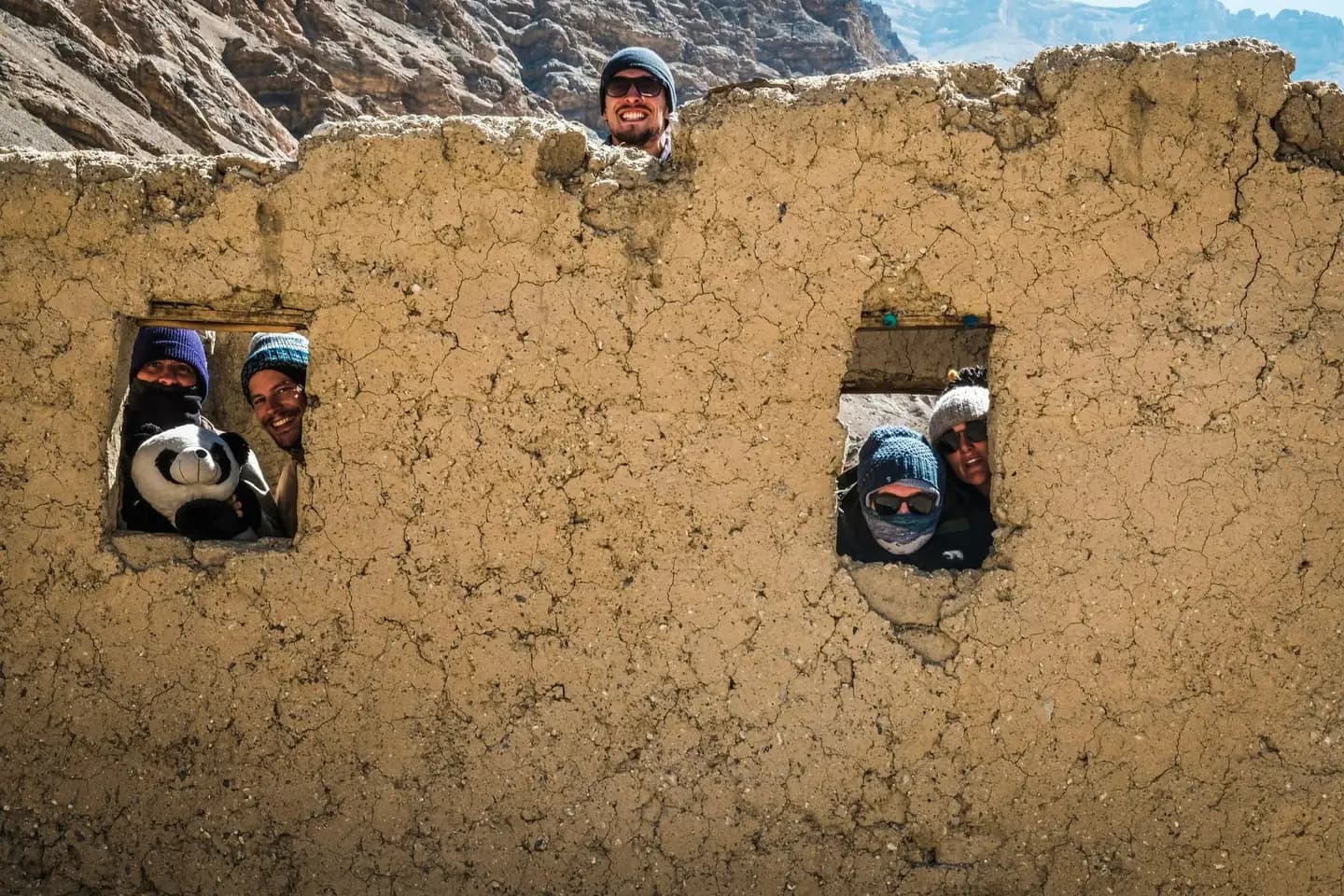
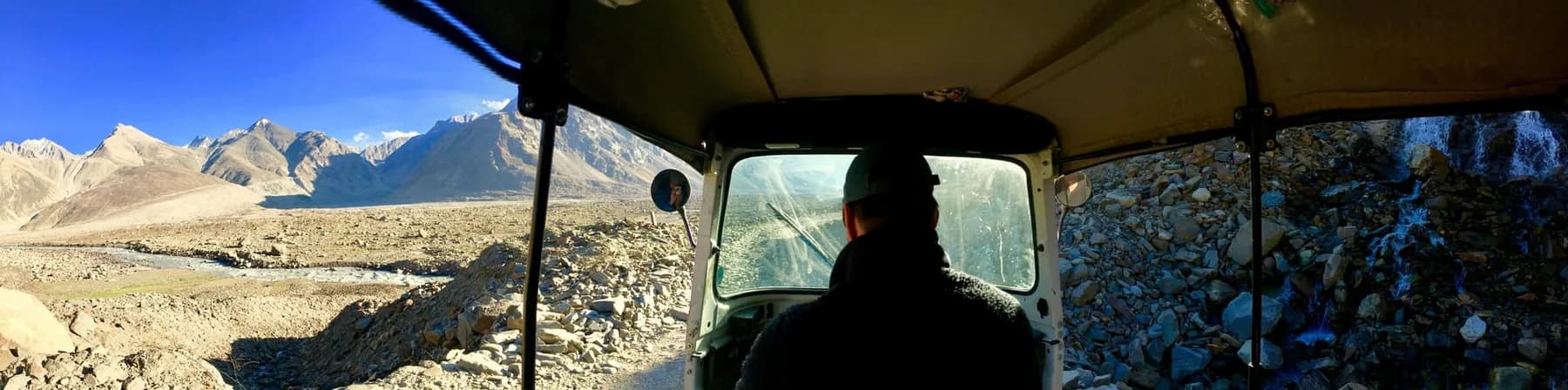
Photographs from a previous similar tuk-tuk recce in India.
From Gilgit, we continue into Hunza, which borders both China and Afghanistan and was its own kingdom until 1947. The Hunza Valley cuts through mountain valleys from 2,000–5,000 metres.
Day five takes us onwards to Sost, just south of the Khunjerab Pass, the highest paved international border crossing in the world, and the last major settlement before the Pakistan–China border.
We ascend the Karakoram Highway to Khunjerab Pass at over 4,000 metres on the Pakistan–China border. At the top, we can see into China past the border gate covered in prayer flags, and return to Sost for the night.
After the border run, we head back towards Hunza, with a rest day: Karimabad, Baltit Fort, the Eagle's Nest Viewpoint and the 1,000-year-old Ganish Village. We then drive back to Gilgit.
Every trip is supported by experienced local teams who understand the roads, communities, terrain and conditions. Routes may change to reflect weather, road access, local advice or safety considerations. Flexibility is part of the experience, but good judgement always comes first.
The nights have their own scenery
A day in a tuk-tuk earns a good place to stop. Between the mountain roads, the planned stays bring you to the Shigar River, Skardu’s lakeside cabins and the shore of Attabad Lake. The adventure carries on outside the windows.
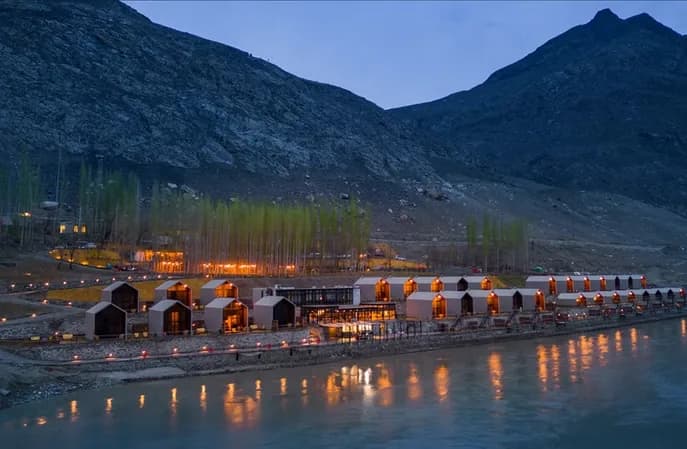
Khoj Resort Shigar
Shigar · Skardu
Stay by the Shigar River, with the Karakoram rising beyond the cabins.
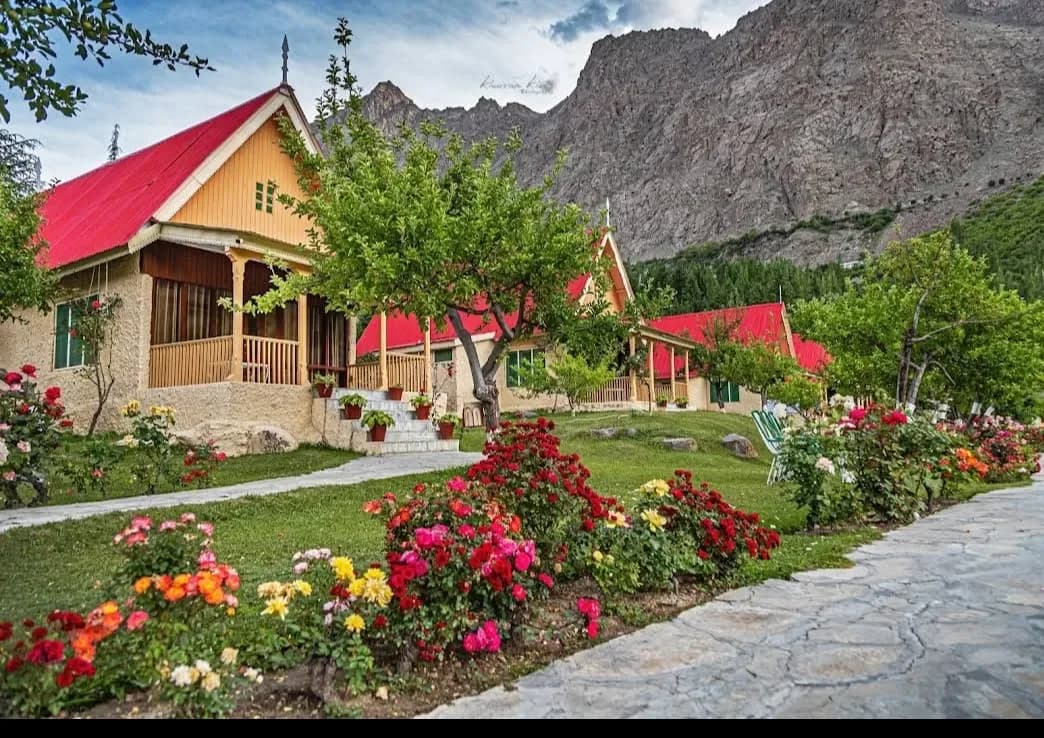
Shangri-La Resort
Skardu
Skardu’s lakeside stop, with red cabins set around the water.
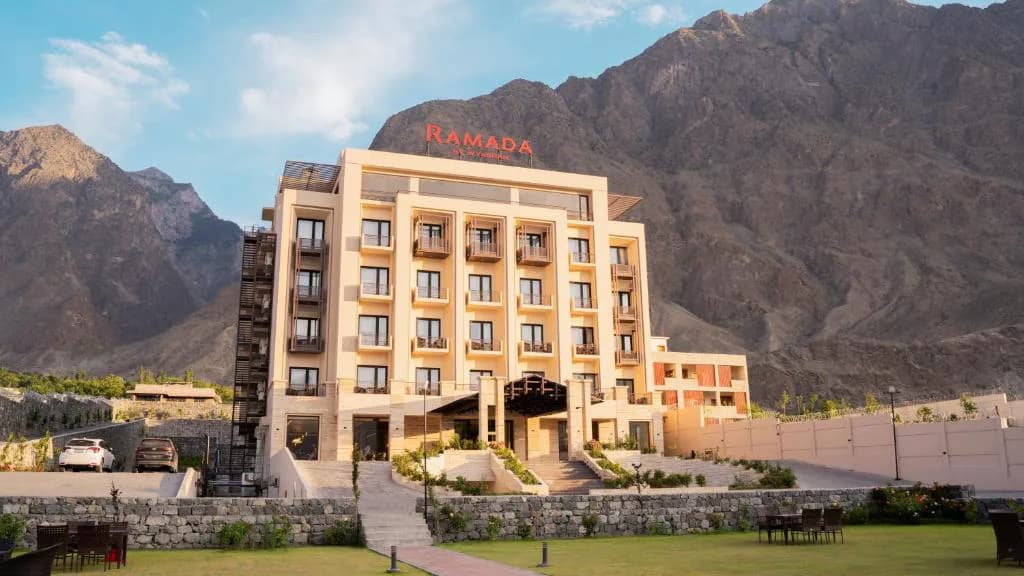
Ramada Resort
Gilgit
Gilgit brings a hotel stop with a mountain skyline of its own.
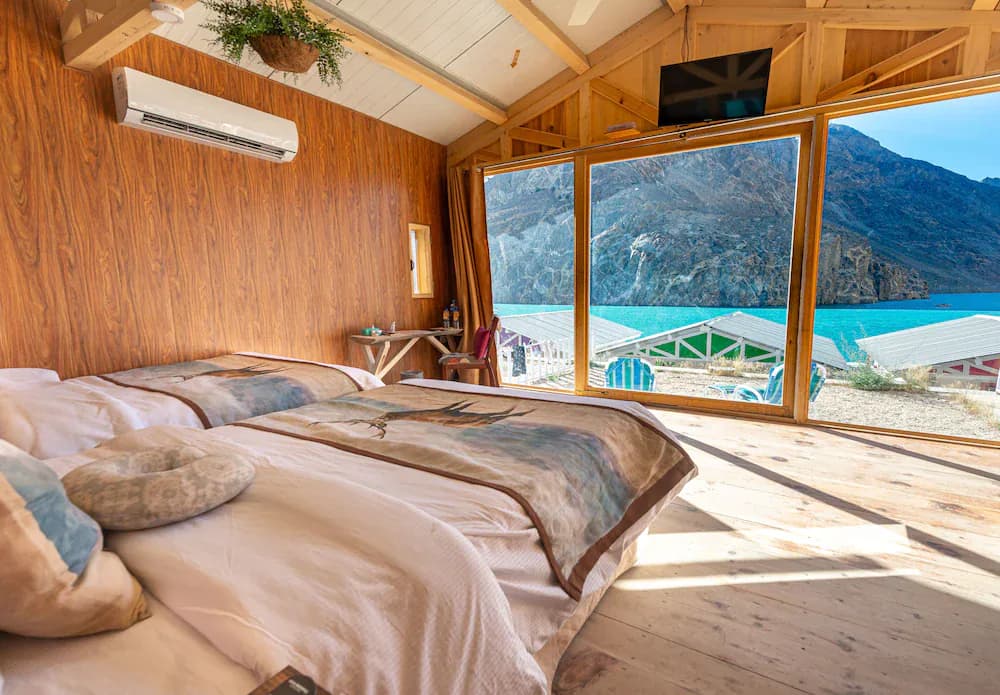
Luxus Hunza
Attabad Lake · Hunza
On the shore of Attabad Lake, the view comes right to the windows.
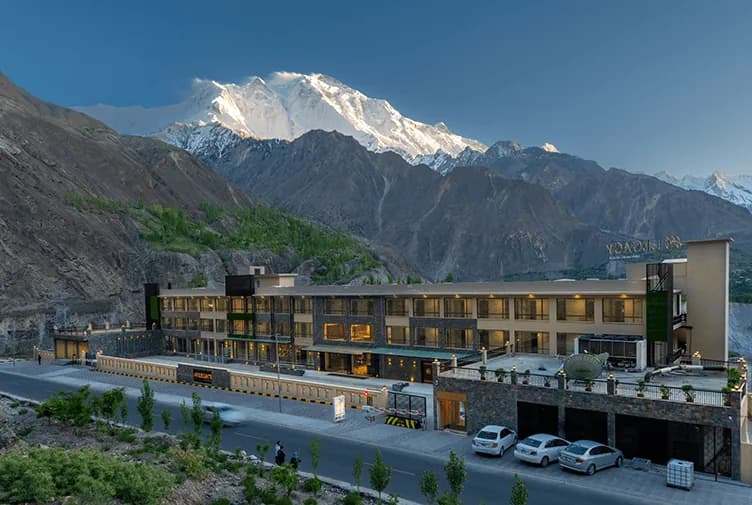
PC Legacy
Nasirabad · Hunza
The outlook here reaches towards Rakaposhi and the Hunza River.
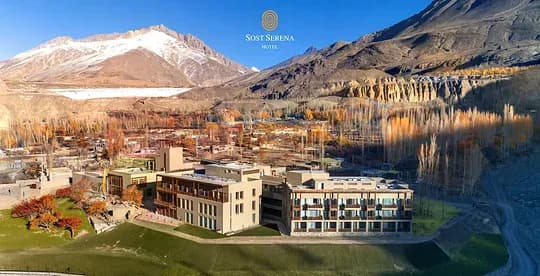
Serena Hotel
Sost
A place to stop in Sost, on the northern stretch towards the border.
These are the planned hotels; comparable alternatives may be used according to availability and group size. Photography shows the named properties.
A typical day
The shape of the days
A road-trip rhythm of briefings, mountain miles and daily attempts to keep a tiny Tuk-Tuk pointing the right way.
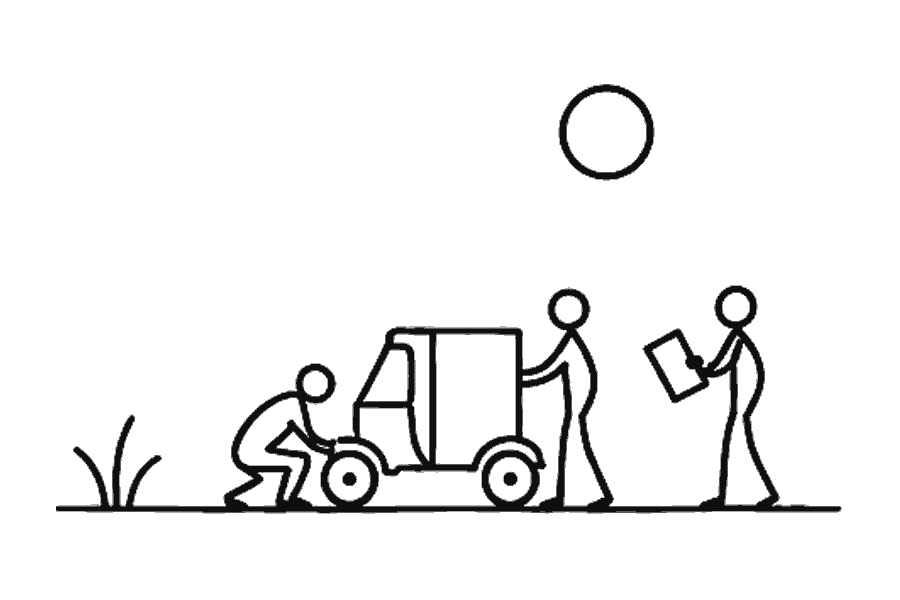
Brief, check, flag off
Meet around seven for breakfast and the daily route briefing. Review checkpoints, road conditions and safety notes, then check the Tuk-Tuk, collect the navigation sheet and head out with tracking, mechanics and support vehicles following the route.
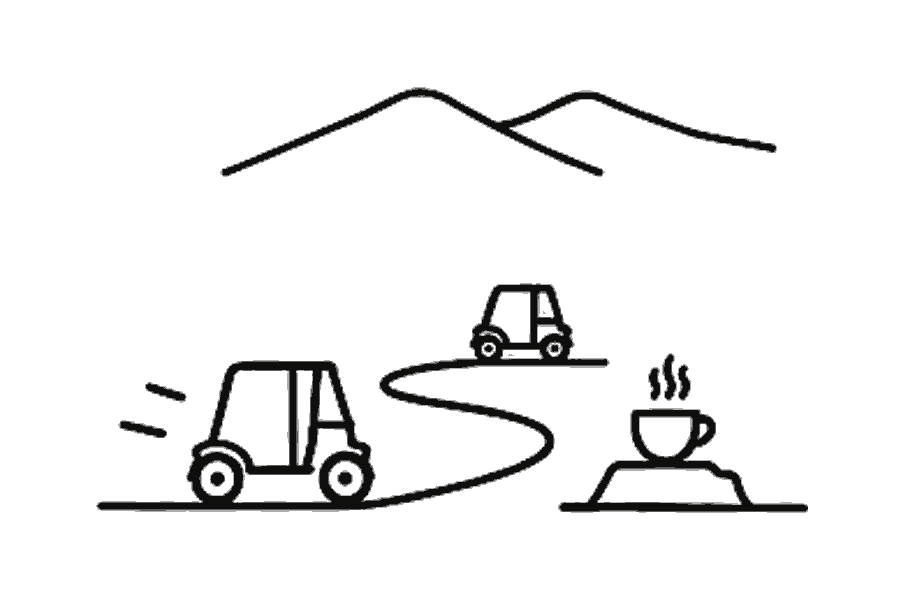
Drive the mountain roads
Travel in manageable legs through cold deserts, mountain valleys, Silk Road settlements and sections of the Karakoram Highway. Stop for chai, viewpoints and lunch, while tackling cultural, language, physical, food and photography challenges along the way.
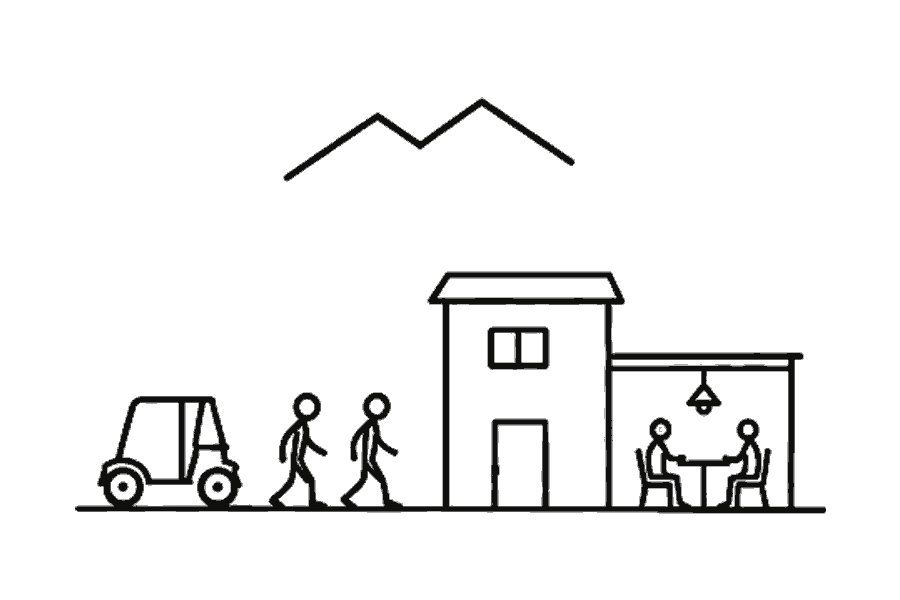
Park up and compare stories
Arrive at the hotel, park the Tuk-Tuk and check in. Shower, relax and compare wrong turns, mechanical dramas and challenge results over dinner while the support team prepares the vehicles for the next stage.

Sleep high in the mountains
Stay in mountain resorts and comfortable hotels across Skardu, Gilgit, Hunza and Sost. Share photos, check the next route and get some rest before waking a little higher, a little more remote and slightly better at driving a Tuk-Tuk.
From the field
Pakistan photographs alongside a previous similar recce in India, identified in the captions.
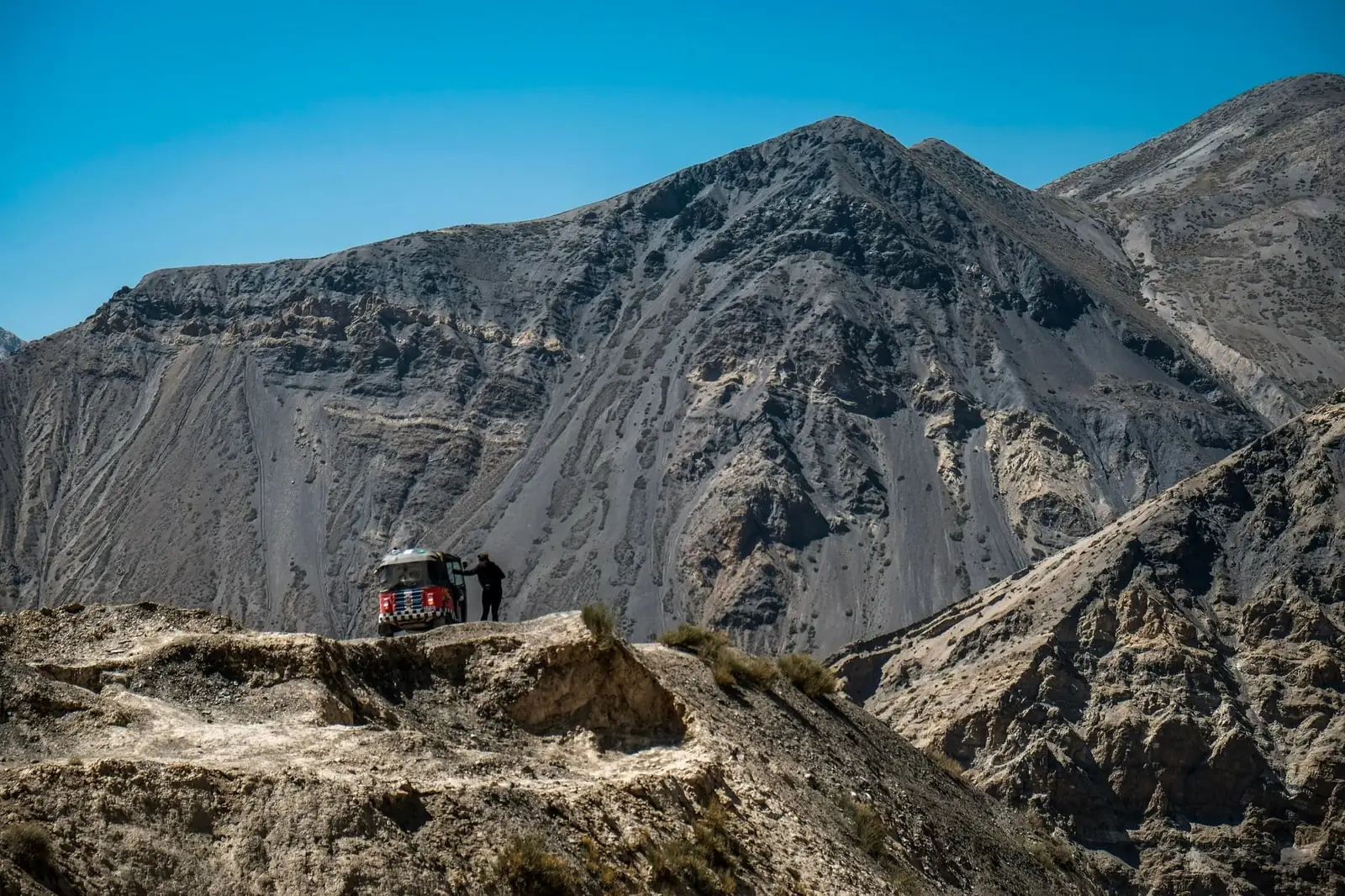 One three-wheeler stopped on a ridge, with a mountain face behind it that runs off past the frame. You drive it yourself; the support team is somewhere back down the road. Previous similar recce, India.
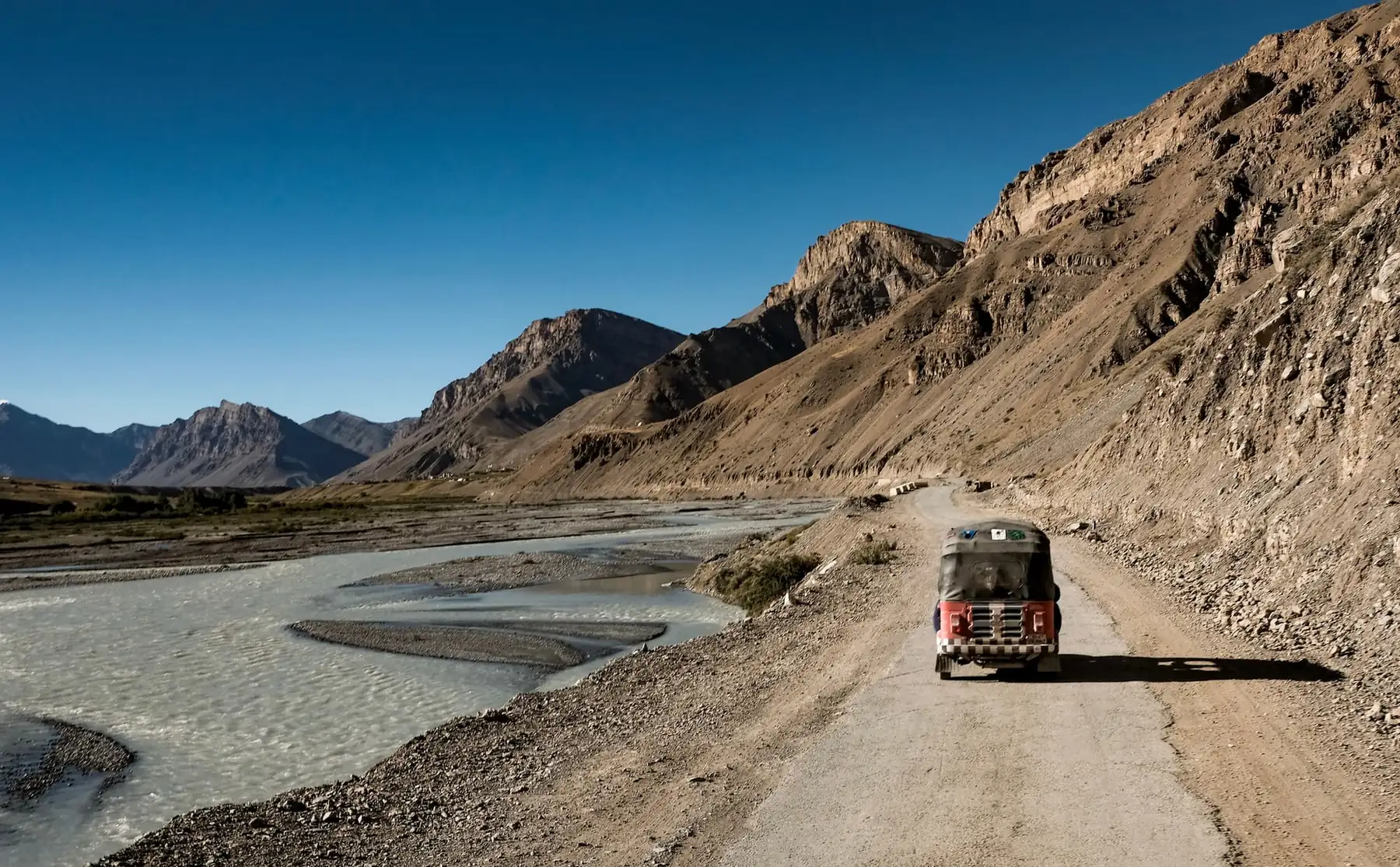 The road narrows to a gravel shelf above the river. Legs like this are why the day opens with a briefing on road conditions. Previous similar recce, India.
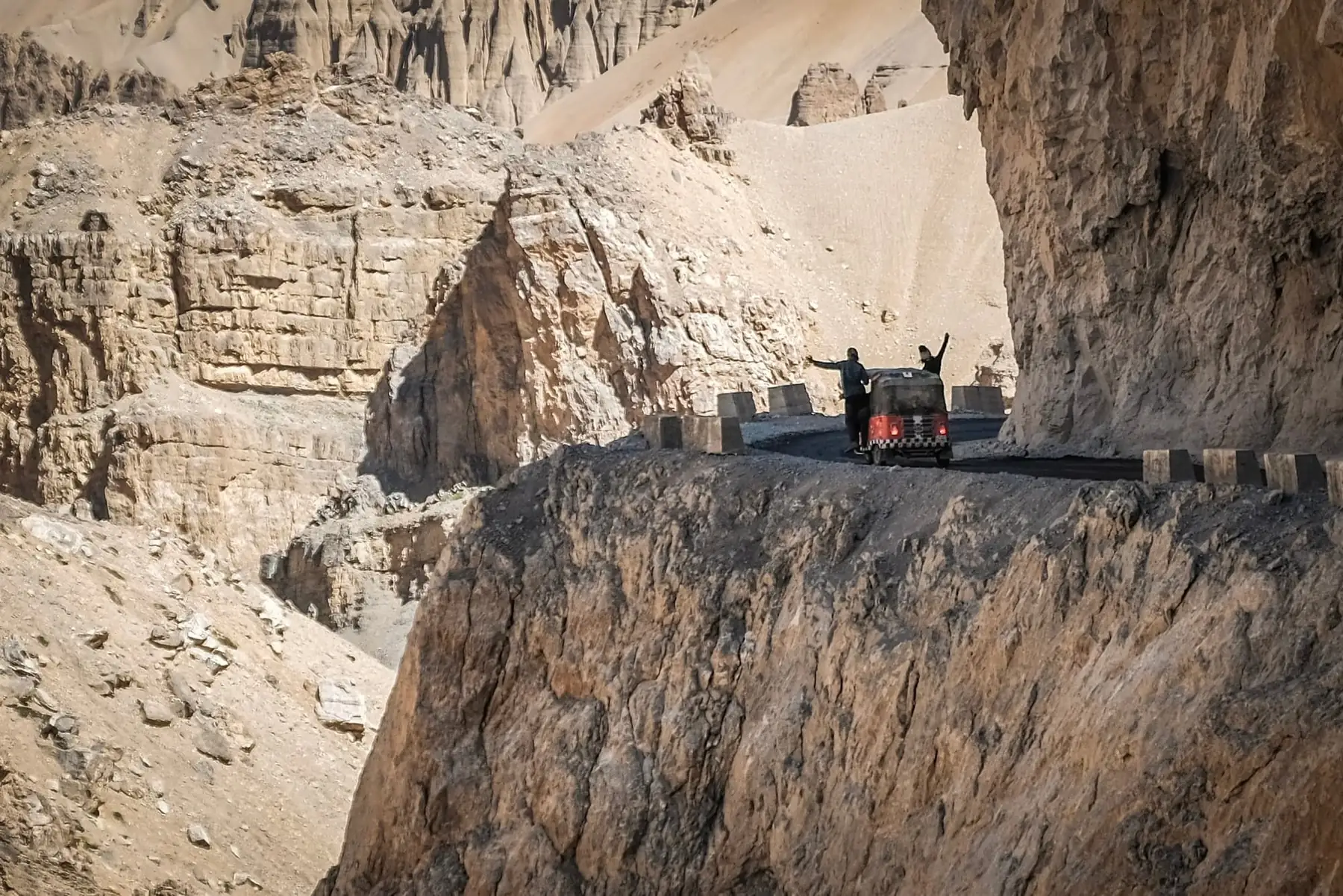 Two up in a three-wheeler on a ledge cut into the rock. This is the road, not a detour from it. Previous similar recce, India.
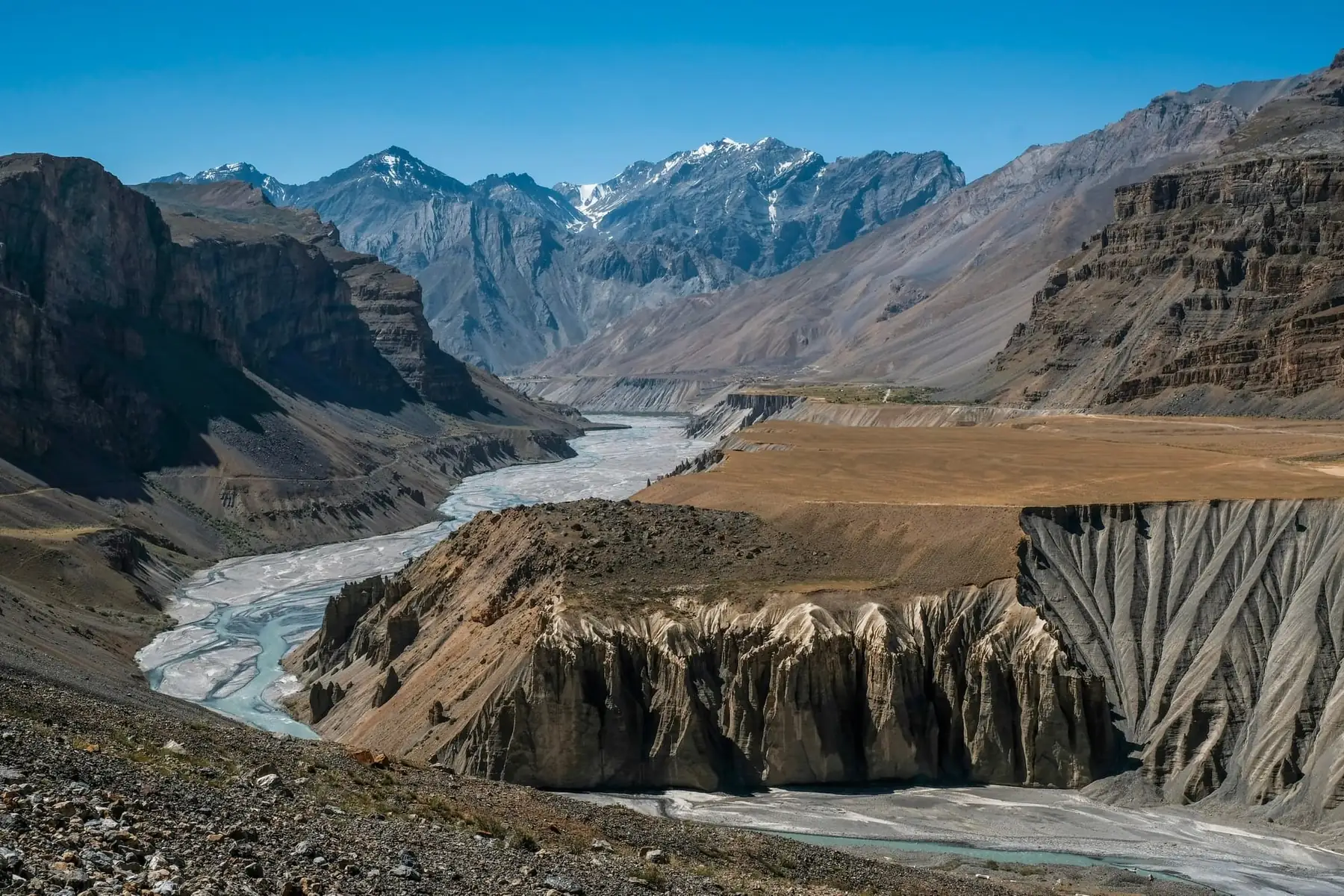 Cement-coloured meltwater, farmed terraces above it, snow at the top end. You cross ground like this at three-wheeler pace, which is the point. Previous similar recce, India.
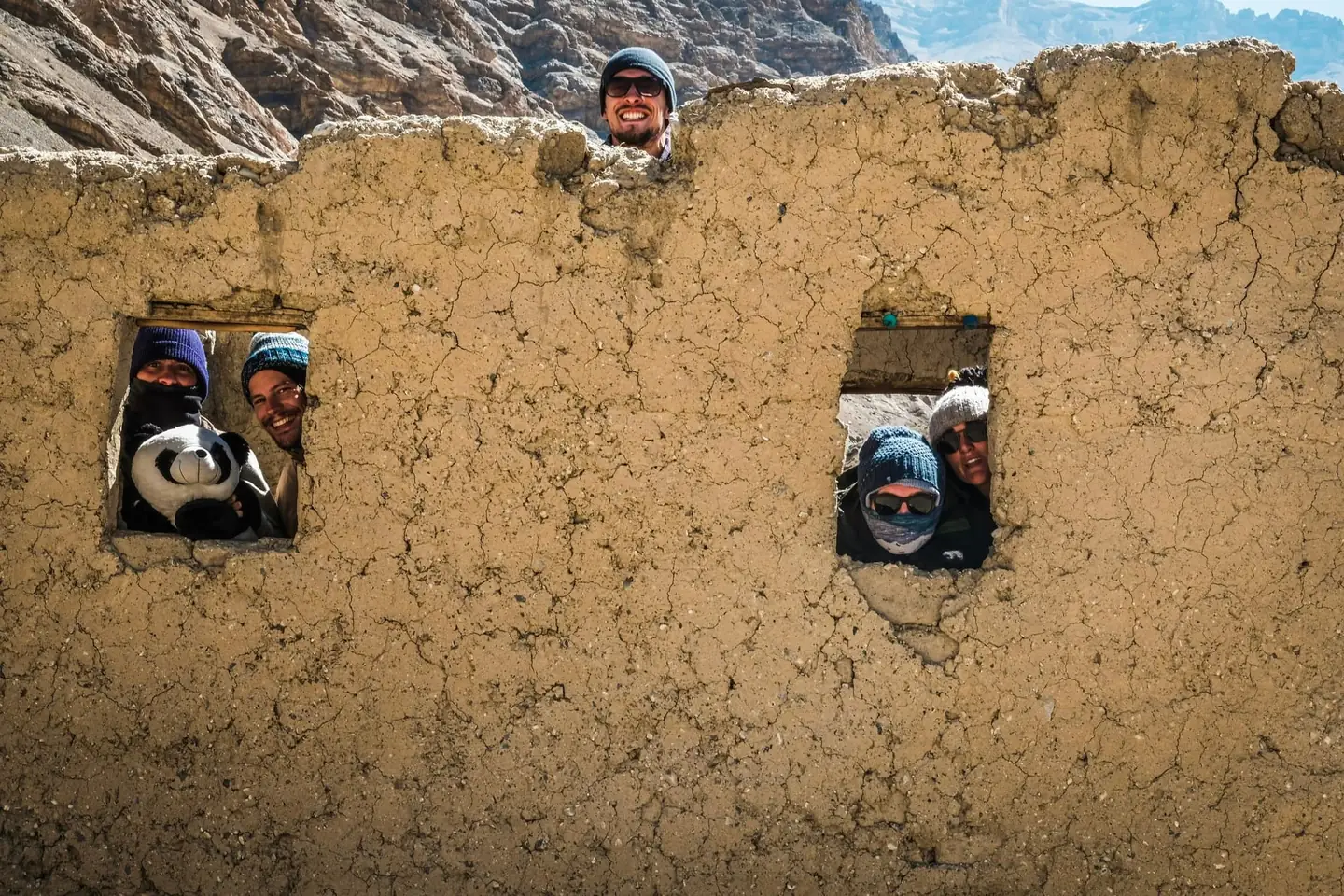 View all 19 photographsFive heads in the window holes of a mud-brick ruin, and somebody has brought a panda. Teams run a daily challenge, and photography is one of the themes. Previous similar recce, India.
Trip dossier
Route, arrival, kit and operating detail
Geography, arrival, flight handoff and equipment in one place. Final joining times are confirmed in writing for each departure.
01Route & terrain
16 days · Self-drive tuk-tuk on the Karakoram Highway · 6 route points
Skardu to Gilgit, then north through Hunza to Sost and the Khunjerab Pass on the Chinese border, before returning south to Gilgit. The map shows the region the trip covers rather than a surveyed route: waypoints are indicative, and the day-by-day is not yet confirmed.
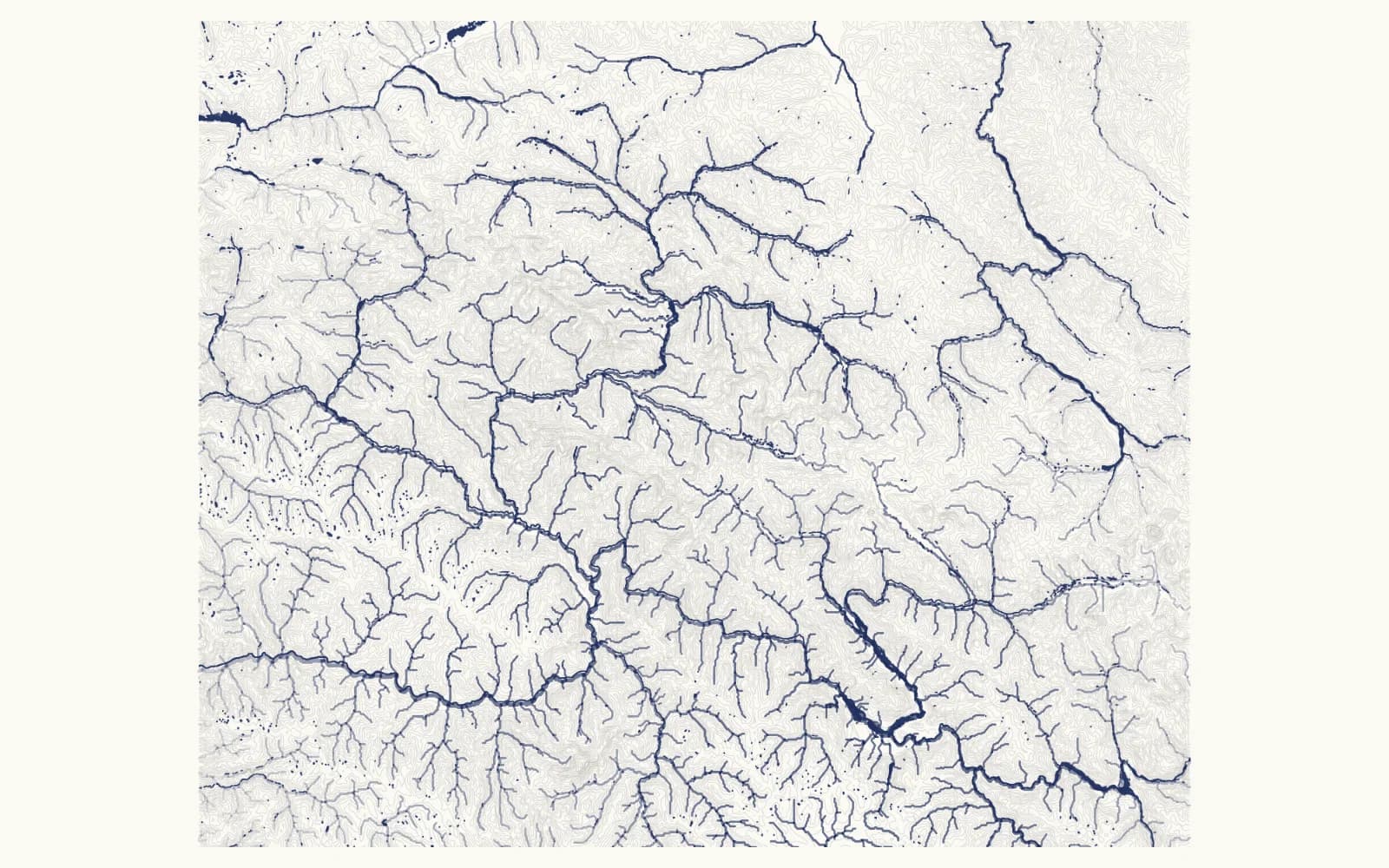
About this map
Rivers use HydroSHEDS/HydroRIVERS; the European Commission’s Joint Research Centre (JRC) provides observed water extent, Copernicus relief, and Natural Earth land and country boundaries. These layers provide geographic context, not navigation.
02Risk & conditions
Five dimensions · highest rating 4/5
The conditions that give this trip its character are the same ones that decide who should be on it. Each rating compares this trip with the others on the site; the line beside it says what that means here.
Physical
03 / 05
Long days driving rather than exerting, but at altitude and on rough surfaces.
Technical
03 / 05
You drive the tuk-tuk yourself on mountain roads, after training.
Environment
04 / 05
Khunjerab Pass is above 4,000 metres — genuine altitude, reached fast from Sost.
Activity
04 / 05
Self-driving a three-wheeler on the Karakoram Highway. The support team carries a medic and three mechanics.
Geopolitical
03 / 05
Gilgit-Baltistan is the more settled part of northern Pakistan, but sits on the Chinese and Afghan frontier.
When it goes wrong
On the ground, the trip lead makes the immediate safety call — changing the route, changing the day or stopping the activity. The communications, medical and evacuation arrangements confirmed for this departure will be set out in your written trip information. If a service is not named there, do not assume it is included. Emergency and legal limits →
03Where you sleep
Mountain resorts and hotels across Skardu, Gilgit, Hunza and Sost.
- Along the route
- Mountain resorts and comfortable hotels; the exact room allocations are not stated in the current trip information.
Sharing arrangements and any single option have not yet been confirmed for this trip. Tell us what you need before booking.
04What you eat
Breakfast and dinner are included; budget separately for lunches.
- Meals
- Half board with daily breakfast and dinner, plus welcome and celebration dinners. Lunches, drinks and gratuities are excluded day-to-day costs.
05Arrival & orientation
Skardu (KDU) · Pakistan
Skardu
Skardu International Airport
Skardu sits in the Indus valley among the Karakoram. Flights from Islamabad are weather-dependent and cancel often, so a buffer day before the start is worth building in. This trip finishes at Gilgit, not here.
- Airport
- KDU
- Country
- Pakistan
- Time zone
- Asia/Karachi
Onward to the trip
Fly in to Skardu and out of Gilgit — they are different airports. Book flights accordingly.
06Flights & joining dates
Skardu (KDU) · Fri, 26 Mar 2027 – Sat, 10 Apr 2027
Start with flights into Skardu (KDU). This trip finishes in Gilgit, so plan your return from Gilgit (GIL).
The search below opens an external site with the recommended travel dates already filled in. Wait for the written arrival deadline before buying a fare you cannot change. Atlas51 does not sell flights or take payment for them.
Fri, 26 Mar 2027 – Sat, 10 Apr 2027
Recommended travel dates · A51-PAK-MAR27
Into Skardu (KDU), home from Gilgit (GIL)
07Kit & equipment
Confirm the trip-specific kit with us before booking
Ask us to confirm the kit required for your departure, what is provided and any hire costs before you book or buy equipment. The trip inclusions state what is currently included in the price.
08Practical detail
Cancellation, insurance and what's included
- Details & pricing
- Enquire.
- International flights are excluded unless the written offer explicitly includes them.
- Entry & health
- Passport, visa and health requirements are yours to confirm.
- We tell you what we know before you apply. Disclose anything relevant to your safety or the trip's.
- Sleeping arrangements
- Confirmed in your written offer.
- Ask about a single/solo supplement when you apply.
- Insurance
- A condition of travel — cover for medical treatment, emergency evacuation and repatriation.
- We introduce a specialist broker if you'd like one.
- What's covered
- The trip as described on this page — the operator's services, in-trip logistics and issued equipment.
- Excludes flights, personal spending, visas and anything marked excluded in your written offer.
What's included
- Tuk-Tuk rental
- International Event Director
- Accommodation
- All local fees and permits
- Half board: daily breakfast and dinner
- Tuk-Tuk training and safety briefing
- Local staffing
- Transfers where stated
- 24/7 on-ground support with support vehicles
- Daily challenges
- Custom app and tracking system
- Welcome and celebration dinners
- Welcome pack, including SIM card, phrase book, t-shirt and event bag
What's not included
- Flights
- Visas
- Spare parts and repairs — ask us about current costs.
- Fuel — ask us about current costs.
- Day-to-day costs, including lunch, drinks and gratuities
- Tuk-Tuk deposit — ask us about current terms and costs.
- Optional extra activities
09Common questions
3 questions answered specifically for this trip, rather than in general.
- Do I drive the tuk-tuk myself?
- Yes. This is a supported self-drive trip, with tuk-tuk training, daily route briefings, tracking, mechanics and support vehicles. It is not a race.
- How fit do I need to be?
- Expect long driving days at altitude and on rough surfaces. You drive the tuk-tuk yourself after training; the challenge is sustained mountain-road driving rather than continuous physical exertion.
- Do I fly into and out of the same airport?
- No. Arrive through Skardu (KDU) and return from Gilgit (GIL). Skardu flights can be disrupted by weather; wait for the written joining instructions before booking a fare you cannot change.
Run by Julian

Run by people who know one place well
Julian scouts routes, leads challenge expeditions and does the operational work that keeps self-drive journeys moving.
How Julian works →Our approach to responsible travel →01 · Apply
Nothing is booked or charged online.
02 · Tommy replies
Tommy will aim to reply within one business day.
03 · Written offer
The trip, price and next step—in writing.
One date
The departure
Fri, 26 Mar 2027 — Sat, 10 Apr 2027
Applications openPlaces available · small groupApplications close24 Feb 2027
 Member no. 6573. Payments go into a PTS trust account.
Talk the dates or the fit through with Tommy first.
Book a 30-minute chat →Know someone who should see this trip?
Keep a copy of the trip
A brochure for Pakistan tuk-tuk frontier, to read, keep or share.
Keep exploring
Where next
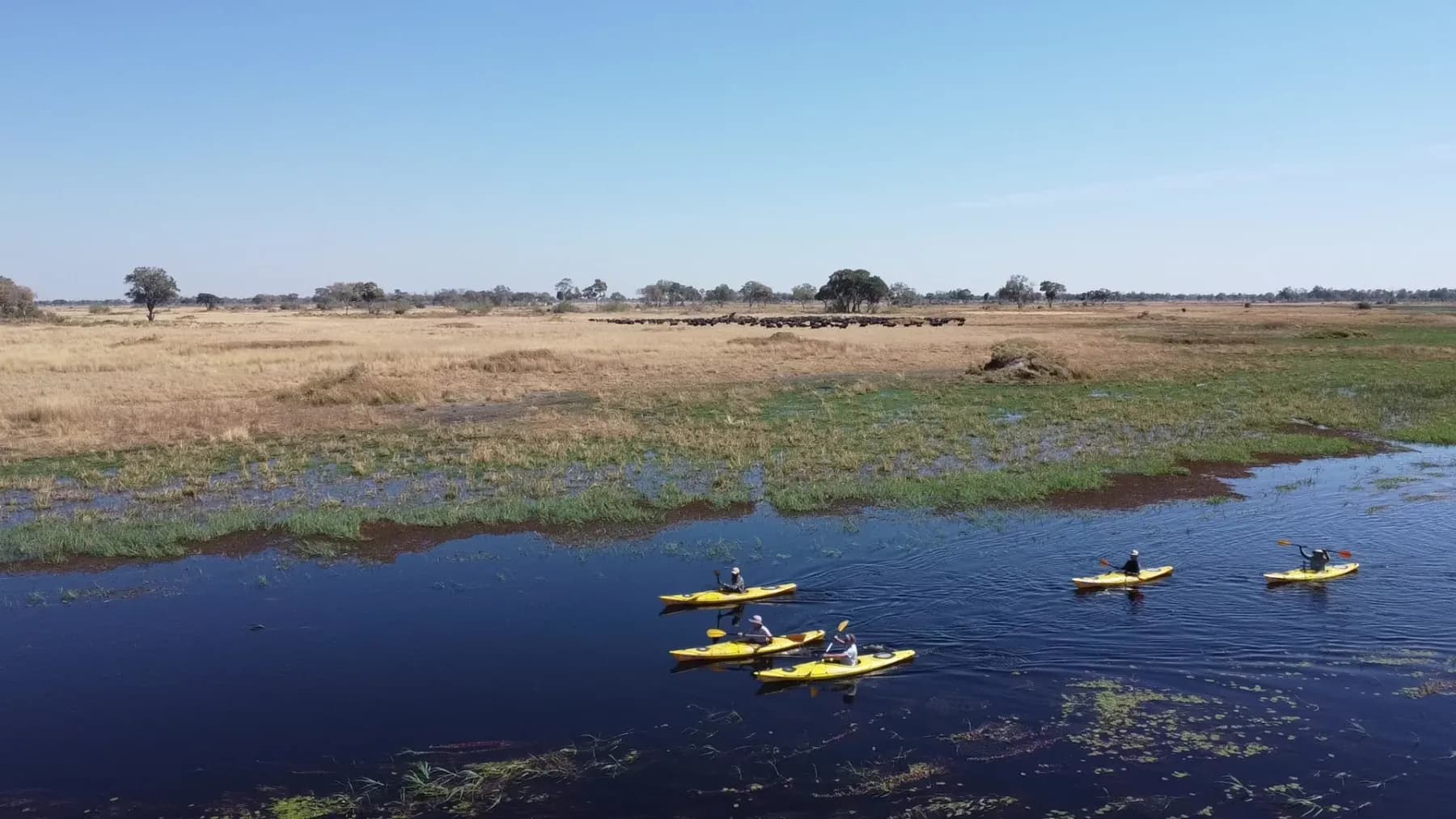 Journey
Okavango Delta, Botswana
Botswana: Kayak the Okavango
Ten days kayaking the Okavango north to south — no roads, no fences, no phone signal.
See the trip →10 days
Enquire
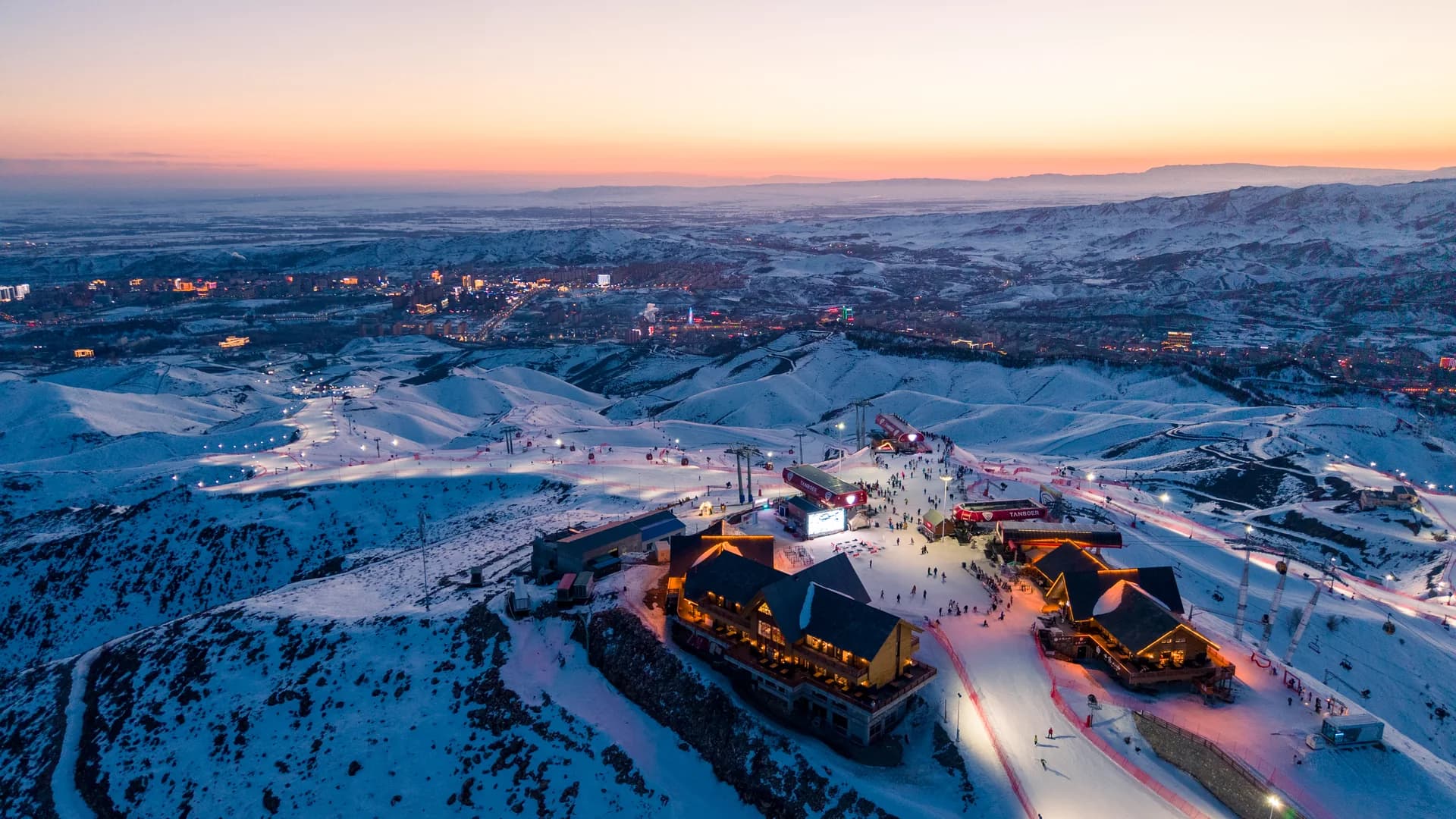 Journey
Xinjiang, western China
The Xinjiang snow tour
Eleven days skiing Xinjiang, from neon Ürümqi north across the desert to the Altay.
See the trip →11 days
Enquire
 Expedition
Pakaraima Mountains, Guyana
Guyana: Sky People
Fourteen days on foot into Guyana's Pakaraima Mountains, towards a summit nobody can promise.
See the trip →14 days
Enquire